
 Baby boomer shopping on mobile phone
Traditional in-person experiences are still essential for reaching the wealthy baby boomer market, according to a new report by WealthEngine and Forbes Insights. Baby boomers generate nearly half of the United States’ after-tax income, an amount of $3.6 trillion, and overwhelmingly prefer in-person to online purchases for all luxury products and services except for travel. Although much is made by marketers, brands and researchers alike about the significance of reaching the millennial consumer in digital spaces and according to her preferences, the boomer must not be forgotten.
"It is critical [for brands to ensure they are not ignoring boomers in favor of millennials]," said Mike Lees, CMO of WealthEngine. "It requires a conscious decision to focus on this demographic because as marketers have skewed their spend towards digital campaign elements, they are potentially missing opportunities to get in front of this group."
“Engaging 50+ Consumers in a Digital World: How Luxury Brands Earn Trust Through Online and Offline” surveyed 462 consumers aged 50+ with at least $50,000 in disposable income and a net worth exceeding $1 million buying habits and preferences. The report also includes accounts from executives and marketing directors, who draw on their experiences to help apply the data. When I'm sixty-four For luxury consumers 50 and older, in-person experiences with brands trump online experiences, but referrals, timely messaging and promotional offers all contribute to a purchase. Notably, however, consumers older than 50 years old care about privacy and respectful marketing, meaning brands must carefully negotiate the line between gathering personal info to deliver timely, personalized messages and respecting the consumer’s right to privacy.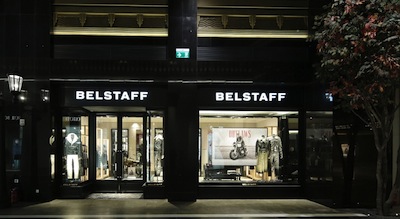 Belstaff Macau
For baby boomers, those aged 51-70, quality and craftsmanship are the two most important characteristics of luxury, with authenticity, function, aesthetics, prestige of ownership and brand name all trailing far behind.
This data suggests that brands must actively continue to court the boomer and cannot assume previous purchases indicate unending brand loyalty. Similarly, emphasizing the quality and uniqueness of the product is far more important than emphasizing brand authenticity or the location in which it was made, which only 3 percent of consumers named as the most significant attribute.
Almost every respondent said he or she would consider purchasing travel in the next year, and 64 percent would do so online compared to just 35 percent who would do so in person. Travel is the only category where online eclipses in-person in this regard; electronic equipment is close, at 35 percent versus 42 percent, but in-person is overwhelmingly preferred in all other sectors.
Belstaff Macau
For baby boomers, those aged 51-70, quality and craftsmanship are the two most important characteristics of luxury, with authenticity, function, aesthetics, prestige of ownership and brand name all trailing far behind.
This data suggests that brands must actively continue to court the boomer and cannot assume previous purchases indicate unending brand loyalty. Similarly, emphasizing the quality and uniqueness of the product is far more important than emphasizing brand authenticity or the location in which it was made, which only 3 percent of consumers named as the most significant attribute.
Almost every respondent said he or she would consider purchasing travel in the next year, and 64 percent would do so online compared to just 35 percent who would do so in person. Travel is the only category where online eclipses in-person in this regard; electronic equipment is close, at 35 percent versus 42 percent, but in-person is overwhelmingly preferred in all other sectors.
 Boomers will shop for travel online; image courtesy Rocket Fuel
In terms of marketing preferences, word of mouth is king, as it is with all generations, followed closely by online search and visiting a Web site directly. Unlike millennials, however, boomers prefer print and direct mail advertisements to email at an almost 2-to-1 rate.
Sixty-eight percent said that proper timing is what prompts them to buy, while 52 percent claim a specific offer or discount appeals to them. A comparatively small 27 percent cite personalization and a mere 4 percent accredit a marketing message appealing to the sense of wanting to belong.
While the success of user-generated content initiatives among younger consumers shows that a sense of belonging is a crucial part, this data reveals that boomers must be reached through other means, namely through timing and appealing promotions. However, while millennials may openly desire individuality more, generalizing boomers is just as ineffective.
Boomers will shop for travel online; image courtesy Rocket Fuel
In terms of marketing preferences, word of mouth is king, as it is with all generations, followed closely by online search and visiting a Web site directly. Unlike millennials, however, boomers prefer print and direct mail advertisements to email at an almost 2-to-1 rate.
Sixty-eight percent said that proper timing is what prompts them to buy, while 52 percent claim a specific offer or discount appeals to them. A comparatively small 27 percent cite personalization and a mere 4 percent accredit a marketing message appealing to the sense of wanting to belong.
While the success of user-generated content initiatives among younger consumers shows that a sense of belonging is a crucial part, this data reveals that boomers must be reached through other means, namely through timing and appealing promotions. However, while millennials may openly desire individuality more, generalizing boomers is just as ineffective.
 Boomers prefer print catalogs to emails
"It is about resonating with their personal needs, aspirations and beliefs - it really does all come down to personalization," Mr. Lees said. "The one thing brands can't do is market to this group as a demographic, assuming blindly that they all don't care or they are all fans of 'American Made.' If 'American Made' is core to your brand ethos then stick to it and market to a micro-segment that values this and is willing to pay for it."
Additionally, other preferences could make a focus purely on timing through geotargeting and beacon technology difficult. Forty-nine percent say they do not like retailers collecting data for marketing purposes, and an additional 39 percent have concerns or qualifications. When delivering properly timed and targeted messages, brand will need to reach those that are comfortable with brands using their data and also reach the 39 percent of skeptics that data is secure and being used properly. Consumers are more comfortable when they trust the brand and see the benefits of sharing, giving marketers a clear means to an end.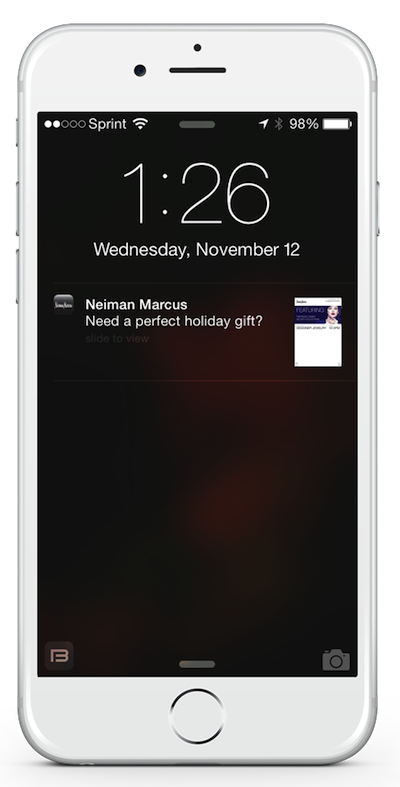 Many boomers see beacon messages as privacy invasions
"The dichotomy of balancing privacy and personalization is right at the heart of the data-driven marketer’s core challenge," Mr. Lees said. "As a brand’s level of transparency increase, the consumers’ suspicion decreases.
"With this, consumers also have an improved experience," he said. "Personalizing an experience in a face-to-face customer interaction is generally more acceptable than personalizing across a more detached digital format when the notion of the "creepiness factor" becomes an issue."
Travelin' man
The indication that boomers are more likely to purchase travel than any other luxury in the near future is in line with other reports.
Increasingly, affluent consumers are foregoing luxury goods for travel, with 80 percent choosing an experience over an item, according to a November report from Martini Media.
“The Martini Report, Volume 4: The Affluent Traveler” found that even from the year-ago, affluent consumers are 50 percent more willing to spend on leisure activities, and surprisingly, more women are interested in exploring than men. As one of the primary drivers of the luxury market, travel and hospitality brands can leverage this information to continue programming curated experiences for affluent guests in response to their behavior and preferences (see story).
Despite some clear differences in effective marketing tactics, it can be helpful to attempt to reach boomers and millennials through similar means if the circumstances are correct.
With baby boomers aging out of luxury consumption and millennials only now entering the market, brands need to find creative ways to engage both generations, according to a panel at the Luxury Retail Summit: Holiday Focus 2015 in New York Sep. 18.
The concept of “luxury” is alive and well, particularly among boomers who continue to associate it with value, quality and customer service, but with millennials looking for more experiential offerings and showcases of values, events and indications of culture are also becoming increasingly important. Still, despite apparently separate values and interests, it is important to remember that millennials are often the children of baby boomers, meaning that these generations are closer than they initially appear and that there are ways, such as family-oriented events, to appeal to both markets simultaneously rather than treating them as entirely separate entities (see story).
Although tactics such as geotargeting and beacons are gradually becoming the standard way of ensuring high conversions, it is better to reach boomers in their own element than try to force them to adapt to technologies and techniques that they dislike.
"Ads, geotargeting and mobile marketing in general are clearly high growth, high conversion tactics, but for an audience that responds more to offline than to online, particularly in the latter stages of the luxury buying cycle, marketers should consider more traditional ways of getting their messages and promotions to these consumers," Mr. Lees said.
Final Take
Forrest Cardamenis, editorial assistant on Luxury Daily, New York
Many boomers see beacon messages as privacy invasions
"The dichotomy of balancing privacy and personalization is right at the heart of the data-driven marketer’s core challenge," Mr. Lees said. "As a brand’s level of transparency increase, the consumers’ suspicion decreases.
"With this, consumers also have an improved experience," he said. "Personalizing an experience in a face-to-face customer interaction is generally more acceptable than personalizing across a more detached digital format when the notion of the "creepiness factor" becomes an issue."
Travelin' man
The indication that boomers are more likely to purchase travel than any other luxury in the near future is in line with other reports.
Increasingly, affluent consumers are foregoing luxury goods for travel, with 80 percent choosing an experience over an item, according to a November report from Martini Media.
“The Martini Report, Volume 4: The Affluent Traveler” found that even from the year-ago, affluent consumers are 50 percent more willing to spend on leisure activities, and surprisingly, more women are interested in exploring than men. As one of the primary drivers of the luxury market, travel and hospitality brands can leverage this information to continue programming curated experiences for affluent guests in response to their behavior and preferences (see story).
Despite some clear differences in effective marketing tactics, it can be helpful to attempt to reach boomers and millennials through similar means if the circumstances are correct.
With baby boomers aging out of luxury consumption and millennials only now entering the market, brands need to find creative ways to engage both generations, according to a panel at the Luxury Retail Summit: Holiday Focus 2015 in New York Sep. 18.
The concept of “luxury” is alive and well, particularly among boomers who continue to associate it with value, quality and customer service, but with millennials looking for more experiential offerings and showcases of values, events and indications of culture are also becoming increasingly important. Still, despite apparently separate values and interests, it is important to remember that millennials are often the children of baby boomers, meaning that these generations are closer than they initially appear and that there are ways, such as family-oriented events, to appeal to both markets simultaneously rather than treating them as entirely separate entities (see story).
Although tactics such as geotargeting and beacons are gradually becoming the standard way of ensuring high conversions, it is better to reach boomers in their own element than try to force them to adapt to technologies and techniques that they dislike.
"Ads, geotargeting and mobile marketing in general are clearly high growth, high conversion tactics, but for an audience that responds more to offline than to online, particularly in the latter stages of the luxury buying cycle, marketers should consider more traditional ways of getting their messages and promotions to these consumers," Mr. Lees said.
Final Take
Forrest Cardamenis, editorial assistant on Luxury Daily, New York