
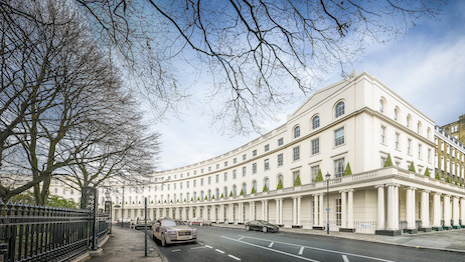
 While many are concerned over Brexit's implications, real estate is expected to do just fine
While Brexit negotiations still remain at a standstill, the possibility of a future “Light Brexit” is revealing to have a significantly positive impact on British affluent. According to a report from Euromonitor, those with a disposable income of $75,000 or more will benefit from the healthy economy that a softer Brexit would create. However, the most severe “No-Deal” Brexit could open up the potential for a significant increase in poverty. "The richest segment of consumers (with a household disposable income over US$75,000) would see the largest expansion in this scenario, as an improved economy results in movement up the income pyramid," said Media Eghbal, head of countries’ analysis at Euromonitor International. "This will enhance discretionary spending prospects by this segment with a US$6.0 billion increase in real terms from the baseline in 2019." Brexit issues While light Brexit is only 5 to 15 percent probable, as the United Kingdom and the European Union hash out the final details, this would be the significantly more beneficial outcome to affluent consumers. Inflation rates would remain below 2 percent, at 1.8 percent annually, which is within the Bank of England’s target. A Light Brexit would mean that the U.K. would still allow a softened immigration control along with access to the common market and passport rights for the financial sector. Unfortunately, the more likely outcome will be the No-Deal Brexit scenario in which the U.K. will sever all ties with the E.U. With Light Brexit, London will remain strong with financial prospects retaining passport rights, likely meaning that affluent consumers will maintain their trust in the city. If a Light Brexit were to occur, London would likely see 39,700 more affluent households in 2019. The luxury goods sector would also remain strong. Imported goods will see a less harsh impact. British GDP could see a growth of 2.3 percent in 2019 with Light Brexit, compared to a 1.4 percent increase without it.
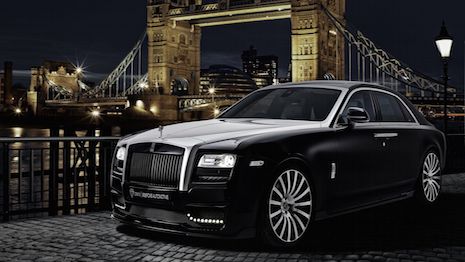 Rolls Royce is one of the UK's luxury car brands that could be affected by post-Brexit trade policy