- No categories


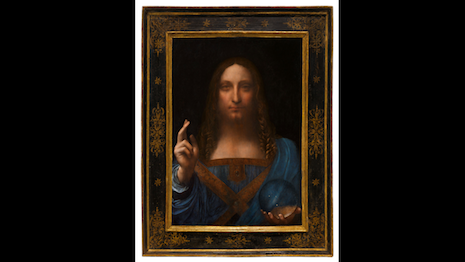
The vertiginous heights of the art market are not that surprising anymore. They testify to the growing independence of the high end of the market from the other parts, and from the dictums and constraints of professional expertise.
Following this year’s string of breaches and malware attacks, methods such as passwords, pins and fixed physical characteristics such as fingerprints are not enough to secure consumer information.

The sad reality is that we have allowed and even been conditioned as consumers to believe that good is good enough. This encroachment on our lives is a dangerous path that could eventually eliminate the need for, and respect of, artisans. The truth, good is not great.
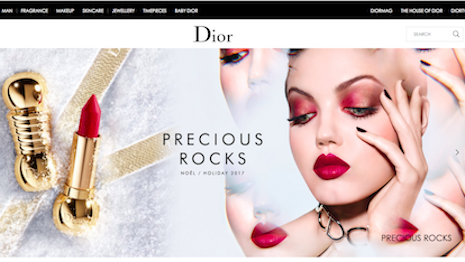
According to Bain & Co., worldwide luxury sales online and in-store declined in 2016, due in large part to widespread physical store closures. However, online sales are on a positive trajectory, showing a double-digit increase from 2015 to 2016.

What if you planned your meeting from the customer’s point of view?

Despite the obvious benefits, selling direct to consumer can be tricky — even for large brands with name recognition.

LGBTQ consumers spend more than $5 trillion globally, with the United States alone accounting for $965 billion in 2016, according to LGBT Capital.

Over the past week-and-a-half, I have received promotions and offers – often, repeatedly – from hotels, restaurants, stores, catalogs, any brand I have bought something from in the past and even some I had not. It has left me feeling irritated and over-served. This is not the direction that marketing is supposed to be heading.

As the scope and prioritization of the knockoff problem varies, so too will the company’s enforcement plan.

Influencer marketing is currently a $1 billion industry on Instagram alone – brands tapping into influencers for content on Instagram – and overall projected to grow to $5 billion to $10 billion by 2020.

For Mainland Chinese consumers, it really is what shopping is all about – they want to be taken on a journey, told a story. An impressive array of stores is no longer enough.

Luxury consumers are still looking for craftsmanship, functionality and design. But, more than ever before, they are also looking for a shared experience with their favorite brands.

Forget about page layout and load times. There are more human ways to enhance ecommerce.

The last decade showed the long-lasting effect that over-reliance on promotions can have on brands.

Looking back on autumn 2017’s various fashion weeks, design and art festivals, as well as May’s annual Cannes Lions festival, a concerning question comes to mind.

The goal should not just be to have a sustainability strategy – it should be to have a sustainable brand.

Leaders who do not disengage at the end of the day, but instead constantly check their emails in the evenings and on weekends are the ones with a greater chance of burning out or being less engaged over time.
Over the past decade, we have all been busy outsourcing our thinking to tech companies.

This holiday season, chatbots will be pulling double-duty, offering personal services and carrying on human-like conversations.

Luxury Daily is inviting opinion pieces on luxury advertising, marketing, media and retail issues that affect marketers as they run multichannel programs for branding as well as customer acquisition, retention and reactivation.

India’s growing luxury consumer base has the money to splurge, but wants a clear and real value proposition from luxury brands.