- No categories



With recent reports showing luxury fashion spend is down and Burberry recording a recent drop in earnings, Amazon may see an opportunity to shake up a new sector.
When did it start? Ten, 11 or 12 years ago when marketers began, slowly, conceding their driver’s seat to consumers?

Both advertisers and publishers are demanding more transparency in everything they do.

The responsive Web design bandwagon has been rolling on for three-plus years now and, in the face of ever-increasing mobile traffic numbers, it is time to apply some real scrutiny.

Snapchat is a marketer’s dream, with users watching 8 billion videos per day and spending an average of 30 minutes inside the application. With such a prominent influence – ranking as the fastest-growing social network among millennials – there is ample talk about how Snapchat will monetize, especially given its ephemeral nature.

There is no industry where the essential tension of online fraud prevention is more apparent and more pressing than luxury goods.

No omnichannel technology can replace the effect of stellar face-to-face customer experiences provided in stores, where the majority of consumers still do their buying.
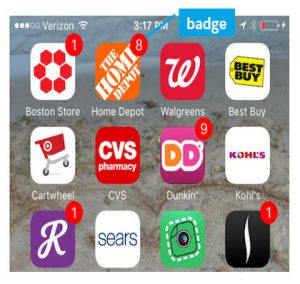
Applications that employ push notifications drive more than twice as much usage as apps that do not. App users are your most profitable customers. So it only makes sense to ensure that notifications are both seen and retained.

If you are a marketer or retailer with applications, I have some bad news for you.

Somewhere in that moment of truth between what the customer expects and what your app offers, the ball gets dropped. The experience breaks down and fails to deliver.

Ask the most fashionable people on the street why they buy the designers they do and they will likely struggle to provide a rational reason. That is because it is less about the practical and more about the emotional connections that they have with certain brands, especially when it comes to luxury.
Aside from the aesthetics, what specific functions should an app absolutely include?

Luxury marketers need to look beyond this short, sharp, natural disaster that has beset the United Kingdom’s economy. And in that regard, the impact of Brexit is more nuanced, with pros as well as cons depending on the nature of the luxury business.

Marketers and customer service professionals are now paying a lot of attention to chatbots. Whereas the Web, mobile marketing and smartphone applications were at one point the next big thing, chatbots are now becoming a pervasive part of a brand’s digital toolkit.

Amazon, search engines and, to a lesser extent, brand Web sites are where the majority of customers start their purchasing journey. For many brands, the results returned from such product searches are not flattering.

With any evolving technology, the cost of early adoption is dealing with a learning curve. One element of location technology which is particularly noisy is the location accuracy of mobile devices. How accurate is location data really? A few hundred feet? A few dozen feet? Four feet?

Pokémon GO has taken over the world. Reports from SimilarWeb emerged on July 11 morning that the application had overtaken Tinder in Android app downloads and expected to overtake Twitter in daily active users.

A recent report from Ericsson predicted that 90 percent of all Internet traffic will be driven by smartphones by the end of 2021. This means that whether you are in financial services, insurance, travel, media or retail, digital businesses need to ensure that their mobile applications are on-point with what consumers expect.

Shoppers who receive branded messages at the right time in the store are 7.5 times more likely to seek out the product off the shelf than those that do not.

Following a sales rep exit – whether voluntary or involuntary – what should you do after you have ended building access and changed passwords?

Considering that people with access to a smartphone or tablet now spend an average of three hours on them per day, and 84 percent of all smartphone time is spent in-app, in-app advertising is increasingly critical for brands, advertisers, marketers and agencies.