- No categories



As the United States, Europe and other parts of the world reopen after months of shelter-in-place, we are seeing just how difficult it is to convince consumers to change long-established behaviors – or adapt to new ones, such as wearing masks or keeping physical distance.
Stories can be up to 22 times more memorable than facts alone, allowing your message to resonate with decision-makers on both intellectual and emotional levels, giving you an edge in your argument.
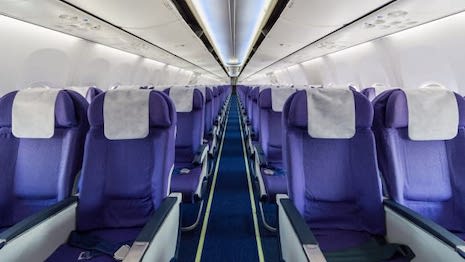
Across industries, companies aspired to stay lean to keep profits high. No one wanted cash sitting in their balance sheet, or inventory sitting in their warehouse. Now they are learning the value of inefficiency in real time.
Prevented by public backlash from widely sharing the fact that their lives went on with the same conveniences as before, the affluent display their economic power by going incognito during the COVID-19 lockdowns.

The Valentino case provides valuable insights for luxury and fashion goods companies to understand how the Trademark Office evaluates marks for being “descriptive,” when it requires disclaimers, and how companies should respond when the Trademark Office requires such a disclaimer.
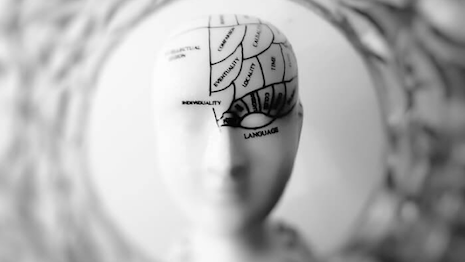
Successful marketers know that the key difference between strong and weak marketing lies in understanding how consumers behave and why they behave in certain ways.

Since the 2008-09 recession, China has effectively become the tail that wags the dog of the global luxury market.
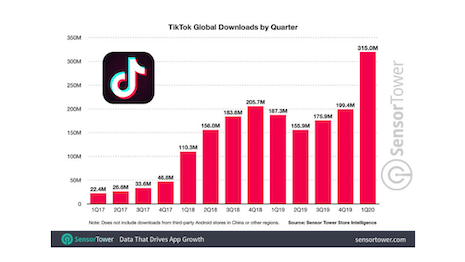
Created in September 2016, TikTok has expanded its usage beyond Gen Z and reached 2 billion downloads, making it the most downloaded app in March.
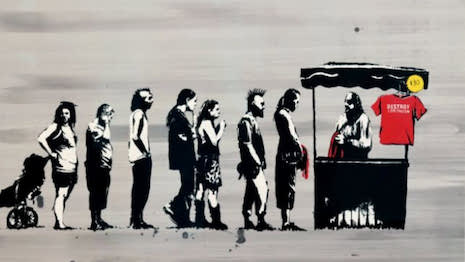
There are two groups of people right now. The first group yearns for things to go back to normal. The second group – and the McKinsey consultants – prepares for the new normal.

After a long, competitive decade, luxury goods and services brands, and their agencies and consultants have finally mastered the rules of the digital marketing game – just in time for the game to change.
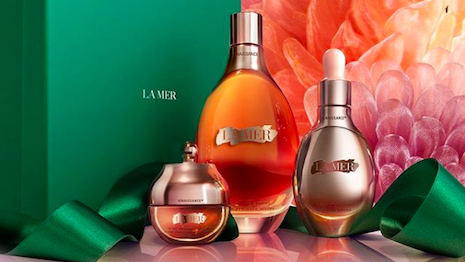
Italy is home to the largest number of luxury brands in the world, while China is the industry’s biggest consumer – making up a third of global spend on luxury goods in 2018.
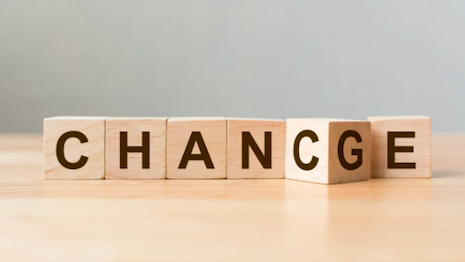
New behavior becomes permanent the longer it is in place. And in this case, one of the primary human emotions, fear, propels and engrains the behavior changes.

Rather than simply recreating an event for an online audience, with a little thinking outside the box, they can be restructured entirely, ensuring consumers remain engaged and brands relevant.
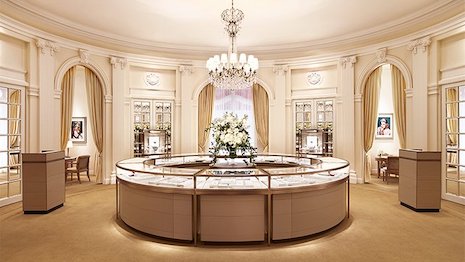
Luxury retailers that not only prepare for the safety of the workplace, but also prepare and re-skill the workforce will emerge with a team of high producers.
Whatever the world looks like on the other side of this, it is not going to look like it did in January.
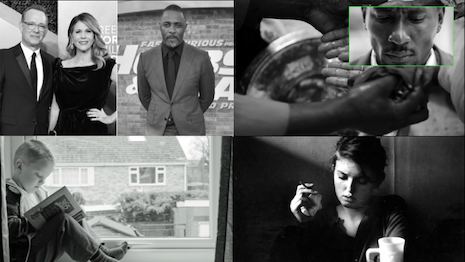
This COVID-19 coronavirus crisis has fundamentally challenged our perception for essential goods and values. How can we survive in the short term and what are the things that drive tomorrow and next year, the long-term potential?

Today’s buyers are more likely to scroll through luxury items online than spot the latest trends in magazines or window displays. Millennials now do 60 percent of their shopping online.
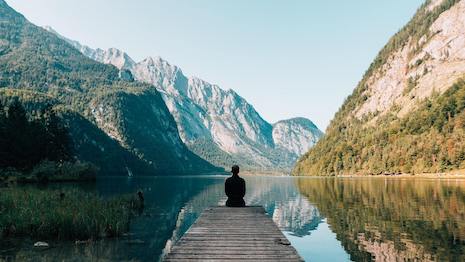
The luxury market drives on the psychology of affluent consumers. When they feel good about themselves and are on solid ground financially, they give themselves permission to indulge. When they do not, they will not.
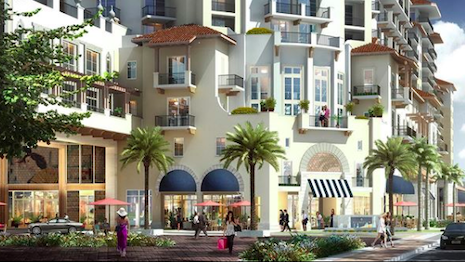
Technology has transformed many retailers over the past decade, moving from operating bricks-only business models into bricks-and-clicks platforms. The next frontier is making real estate decisions that focus on serving your most productive customers.
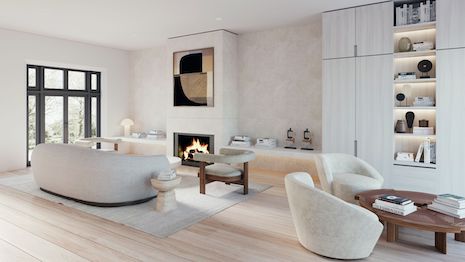
What is the design philosophy behind conscious minimalism, from its less-is-more origins to some examples of home interiors that exemplify this trend?
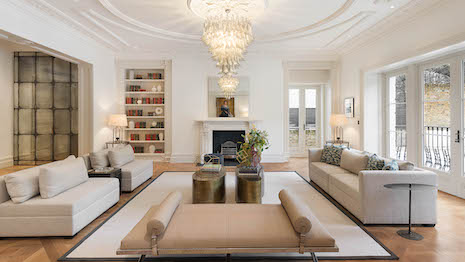
British real estate brokerage Knight Frank’s view is that a decline of 7 percent in U.K. prices and 5 percent in prime London and prime regional prices will be experienced through 2020, with much of this decline already having taken place between March and May.