- No categories



I suspect that this period of sluggishness and apprehension will be short-lived and that, with proper precautions and strictly following advice set by global health leaders, the travel industry can bounce back within 12 months.
I suspect that this period of sluggishness and apprehension will be short-lived and that, with proper precautions and strictly following advice set by global health leaders, the travel industry can bounce back within 12 months.

As social distancing becomes the new normal throughout the United States and the world, professionals across industries are making drastic and immediate changes to their work and presentation styles.

What does the founder of one of the leading lifestyle and travel PR firms have to say about the biggest switch in mindset with affluent holidaymakers?
No matter how easy it is to reach potential customers, the relationship between brand and consumer needs the human touch.
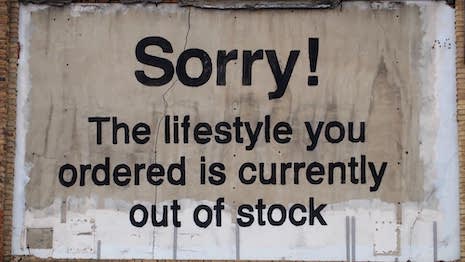
How the fragility of the modern aspiration economy reveals the future of spending.
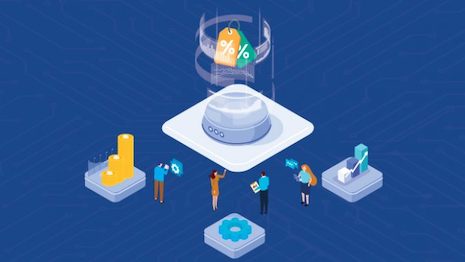
Especially in retail, AI and machine learning are being used to generate smarter pricing methods, with 73 percent of retail executives expecting their companies to engage in intelligent automation pricing by 2021.
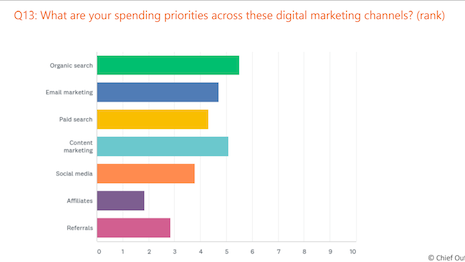
As marketers continue to increase their focus on digital marketing, the top priorities will be on tactics that provide additional information, tactics such as organic searches, email marketing, paid search, and content marketing.

Economic upheaval on this scale will lead to a whole new group of brands that win and lose. Leaders everywhere are asking themselves how to make sure they are winners.
Economic upheaval on this scale will lead to a whole new group of brands that win and lose.

When bricks-and-mortar retailers reopen worldwide, they will not simply return to business as usual. Here are a few ways I suspect they might adapt.
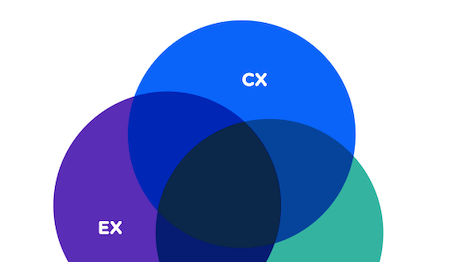
Even as they make strides to listen to their customers better, brands might be ignoring a voice that is just as critical: the voice of the employee.
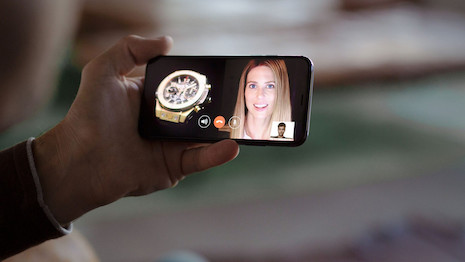
Brands have struggled to catch up with the connected, modern luxury customer, as the mechanisms they relied on to build exclusivity have disappeared.
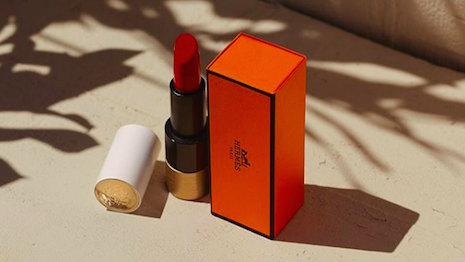
Just in: brand focus is not on the end customer, but on the communities to which they belong.

There is no question about it: brands looking to thrive and even just survive in today’s market are those that understand the millennial consumer. However, not all millennial consumers are created equal, especially when it comes to income and potential spending power.

Even though we now live in a digital world, most luxury goods and services brands operate like Industrial Age pipelines with rigid linear processes and high fixed costs.

In today’s COVID-19 environment, storytelling becomes increasingly important.
The streaming music platform should serve as a role model when it comes to data privacy compliance and user choice.

As the world pauses for COVID-19, luxury brands have an opportunity to design, implement and diffuse digital technology throughout their organizations.
Mission critical elements of operational agility and what they mean for individual businesses and industry at large in the post-pandemic era.

Drastic economic, cultural and social shifts bring upon novel needs, desires and even aesthetics. In a time of paradigm shifts, new categories capitalize on cracking niches in the cultural fabric.