- No categories



It would be surprising if GDPR did not affect CPM rates, but so far it is too early to judge if the trends are permanent.
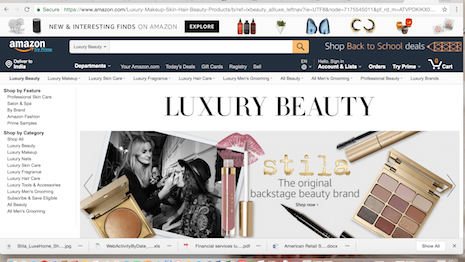
To succeed in today’s retail environment, retailers need to figure out ways to differentiate themselves – to do what Amazon cannot do.
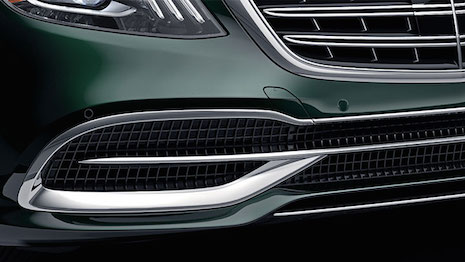
Affluent Republicans buy luxury to reinforce their social standing, but not specifically to elevate it. Democrats show no such inclination.

AI machines are great at sifting and sorting through incredible amounts of data for programmatic advertising. But will AI learn to create stories using human emotions in ads?
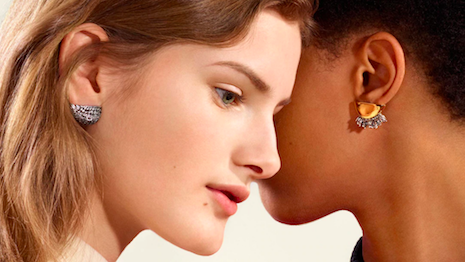
When a luxury brand is seen and available everywhere, its luxury value – its authenticity as true luxury – becomes diluted.
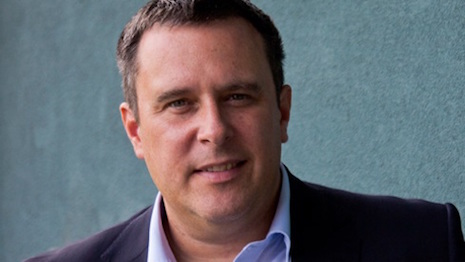
In light of the dust settling post-GDPR, now is as good time as any to reflect on what the new loyalty gold standard looks like.

Recent research reveals that almost half (47 percent) of all brands are losing money through counterfeiting.
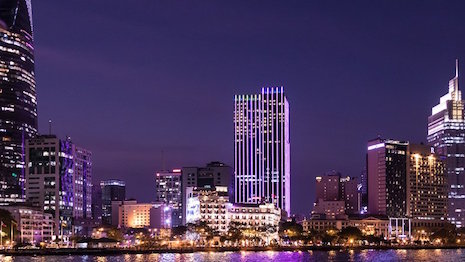
The country‘s retail industry has already experienced double-digit growth in the most recent years. New shopping establishments are popping up, and new players are entering the market.

Five leading advertising and marketing trade associations take a stand against Apple’s new stringent policy for its Safari browser that makes it harder to track and measure digital advertising, as well as threatens the ad-supported model of media and social platforms.
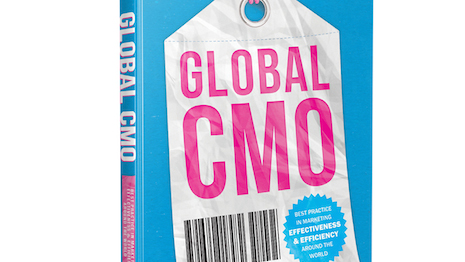
As industries work to restructure the way their company is arranged and how to define the business, chief marketing officers must also consider how they will evolve their own role within the company to ensure continued relevance within the organizational structure.

“Snapchat redesign.” The term has become cringe-worthy, to say the least.

Luxury retailers and brands should start thinking fast about their audio and human personalities to be ready for an anticipated surge in voice shopping.

Is a $3,000 dress still a luxury product when you are renting it for a negligible price?

On average, 63 percent of luxury products are still bought in physical stores. There is still a desire for luxury consumers to touch, smell, see and experience luxury, making retailers rethink how they attract customers to bricks-and-mortar stores in the current digital age.

The role of brand recognition in luxury real estate still plays an important role as a guarantee of legitimacy and quality.
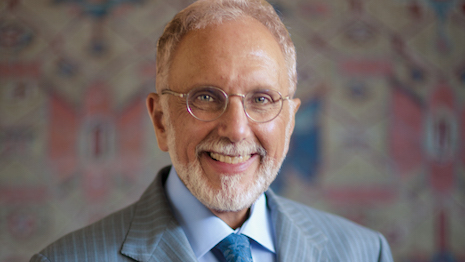
One of the most vivid lessons that I ever learned about the rewards of delivering exceptional client service all started with light bulbs.
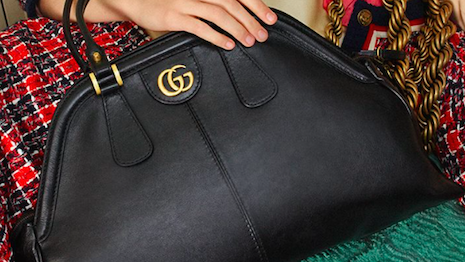
Two of the top luxury brands worldwide have wildly different brand strategies. The question is, who will prevail?

Marketing for luxury brands, in particular, requires a unique approach, since conventional, massmarket brand promotion methods are less applicable. After all, luxury retailers traditionally exude the belief that the brand’s prestige and desirability should speak for itself.
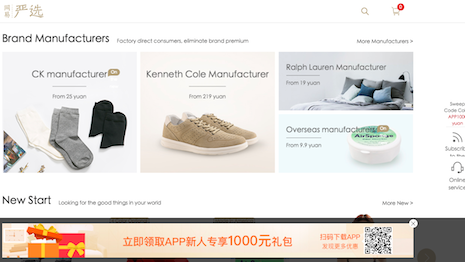
If you were hopeful that China would rein in the counterfeiting of luxury goods, think again.
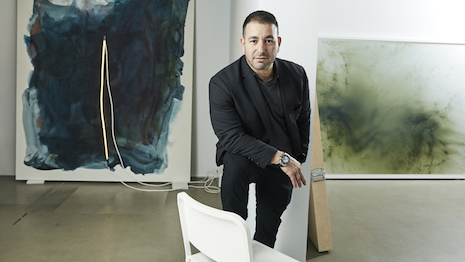
In addition to the world’s most sought-after galleries, luxury brands also sponsor art fairs, often hosting special events and providing VIPs with accommodations and perks.

The balance has now shifted in terms of affluent Chinese being so into their luxury lifestyles that their understanding of brands, products, collections and even the industry, in general, has exceeded that of those elsewhere.