- No categories


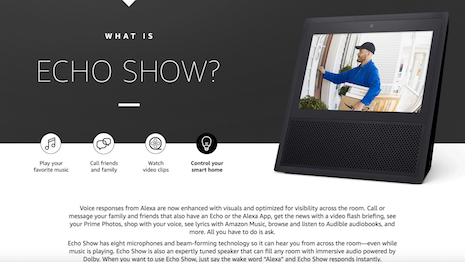
Voice is the new interface to the world. From the Amazon Echo to the Apple HomePod and Google Essential Home, there is no question as to whether voice is applicable to the luxury world.
Chanel boasts the most social followers – more than 57 million globally – and is the leading luxury brand on all platforms, except Facebook, where it is a close second to Louis Vuitton, both at around 20 million.

From Alain Passard’s tomato confit with 12 flavors to Anne-Sophie Pic’s asparagus with Arabica coffee, creative and surprising combinations of tastes and textures have been essential to the success of the world’s most recognized chefs.
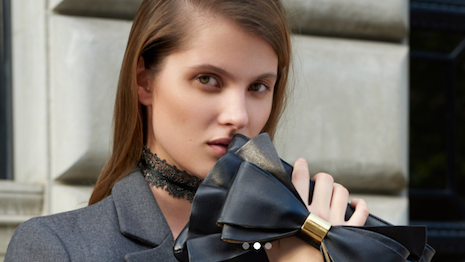
To entice a new generation of Judith Leiber aficionados, Authentic Brands Group relaunched the brand in 2013 complete with a social media program designed to create brand awareness and establish a presence among a younger audience.
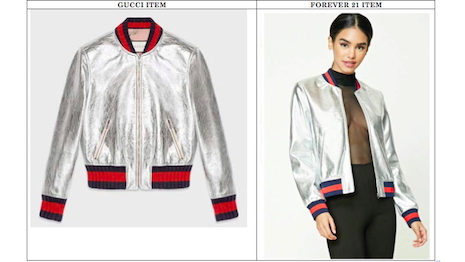
A trademark is a more limited right than a copyright or design patent. It is merely the right to use a particular word or symbol to identify the source of goods.

It is commonly accepted that retargeting can be the most effective targeting strategy, which is why advertisers apply attention-grabbing techniques to ensure their high-value Web site visitors convert into customers.
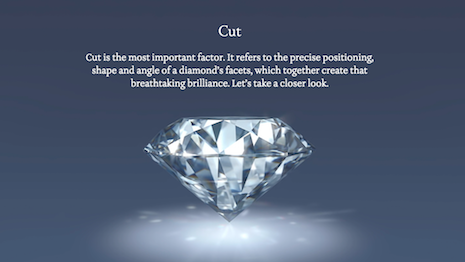
The Tiffany-Costco case provides several useful takeaways for the luxury goods business in combating infringements, especially against large-scale infringers.
Mobile advertisers face various forms of fraud: impression, install and click fraud are all detrimental to performance metrics and a brand’s overall credibility.

The three key differences between the European and American luxury markets, and how Gucci is navigating the divide.

There are lessons to be learned from luxury brands’ flagships that can be applied to smaller stores, particularly in the area of sensorial experience.

Millennials are on the cusp of becoming the greatest wine-drinking generation in history. But to date, they have been slow to migrate toward higher-priced wines.

When thinking about measurement in influencer marketing, the first things that bubble up for many brands are reach and engagement.

With the benefits of selling online comes the hassle of returns.
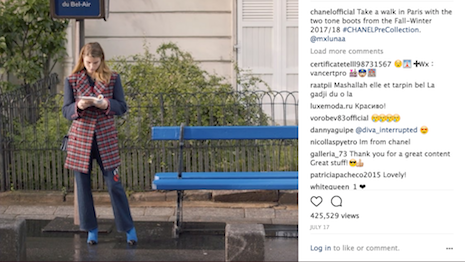
For most luxury brands, social media is a mass-market strategy – a cost-effective way to reach as many consumers as possible.
With the ability to order whatever they want online, shoppers visit stores less just to buy things right there, and more to experience what a brand can offer.

Big luxury beauty brands risk losing power, influence and desirability in mature Western markets.
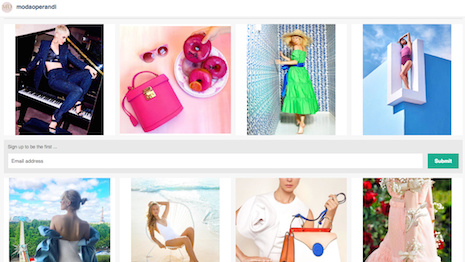
Publishers must grab attention in Instagram, Snapchat Discover or Twitter feeds to ensure their content is seen.
For retailers, the repercussions from a loss of net neutrality could be catastrophic.

The next generation of customers is set to redefine luxury and change the way premium brands do business.
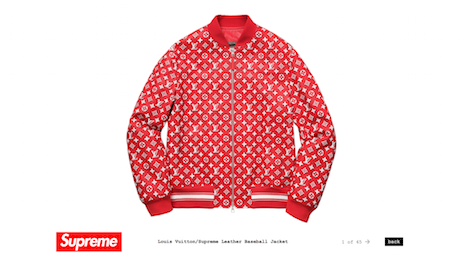
Old rules of prestige brand making – price, provenance, precious materials – are still present, but new ones have established themselves next to them, sometimes in defying opposition.

Once a safe haven away from heavy machinery, manual craftsmanship will nonetheless be affected by the incoming revolution – in new and sometimes surprising ways.