- No categories



You do not offer an engagement ring on a first date, and you do not ask a potential customer for a commitment on the first interaction. And yes, an app is a commitment.
Criteo has analyzed billions of ecommerce transactions every quarter since 2014 to produce this semi-annual report. However, this is the first time to my knowledge that it has named it the State of Cross-Device Commerce. Earlier versions were called State of Mobile Commerce.

There is a common belief that the more data you have on an individual, the better the understanding, and therefore you will be better at serving and selling to them.

Creative remains the ultimate carrier of your message: it compels engagement, it fuels viral social success, and it determines how your brand will be remembered.

Experiences are the new common currency of shopping.

The customer who is willing to walk into your store to look, buy, try-on or just talk is the most dedicated customer you can have.

The future of loyalty is mobile and card free. The explosive growth of mobile applications has provided an obvious avenue for consumers to reduce the number of loyalty cards they carry.

Art and luxury have intersected time and time again in China as brands work to find new ways to engage aspiring collectors and art enthusiasts, especially those within the country’s budding market of Gen Y consumers.

In today’s world of notifications, pings and distractions, it is really quite silly to assume that people are going to log in to a platform that is not already built into their daily routine.
It is the little things that often are not so little but deeply telling of a brand’s true corporate culture.

For all the growth over the past year, it is entirely possible that 2017 will bring even greater change to the way that consumers use their mobile devices and the tactics that marketers employ to engage those consumers.

Google’s mobile-first index will be here in months, making Google prioritize mobile content for the first time in its history, and changing the indexing and ranking game for good. Will you be ready when it comes?

Promoting products using influencers should only be done if there is a clear and natural fit between that product and influencer.
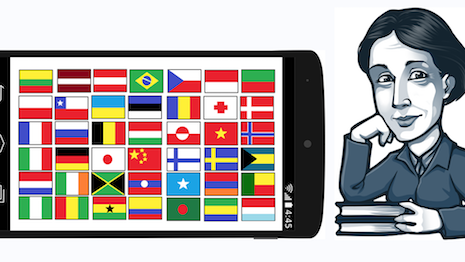
Last month, Denmark piqued the attention of the world by saying that in addition to dispatching ambassadors to capital cities worldwide, it would appoint a new digital ambassador to the cloud to work with the digital gods of Amazon, Apple, Facebook and Google parent Alphabet.
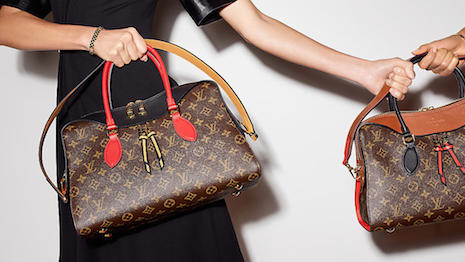
We wish to reclaim the domain of the wealthy in the world of luxury. Otherwise, read our lips: it is not luxury.

Our growing dependency on digital devices is slowly programming us to interact in certain manners.

While mobile apps have been around for a while, we are really just scratching the surface when it comes to finding creative uses for them.

With the anti-graft campaign, luxury brands’ efforts to standardize global pricing, and continuous doubts regarding the authenticity of their goods, the daigou circle is desperate to prove the value of its existence, as well as retain and nurture loyal customers.

As U.S.-based mobile companies see domestic stagnation and look for areas of increased growth, it is clear that China remains a massive opportunity.

When it comes to getting email marketing right, luxury brands are in a tough spot.
Since there is no data-driven way to determine the average SMS open rate, what data should concern SMS marketers?