- No categories



The sleeping beauties with the greatest potential to succeed are not always the brands with the strongest brand awareness.

Nobody knows exactly what is going to happen in Brazil as far as politics is concerned. But one is certain: luxury consumers are cautious.

The influencers are at a stage now where they are operating as their own brand with thousands – often millions – of followers who recognize their content and personalities.

Maximizing the value of an existing customer base is increasingly important due to the growing penetration of global smartphones, the higher adoption and usage of mobile commerce, and the enhanced competition for global inventory.

Without interpretation and application, decision-making by data leads to inefficient use of resources, wrong conclusions and poor execution.

The luxury industry is currently experiencing fluctuation in the face of mass digitization and shifting customer attitudes.

Consumers are blocking mobile ads, ignoring 80 percent-plus of all emails, and they do not have the time or inclination for voice calls, which are now seen as intrusive.

Forrester Research predicts that purchases from mobile devices will double by 2020 to reach $250 billion-worth of transactions by the end of the decade.

Staying up to date with rapidly evolving technologies in the ecommerce and marketing industries can be a daunting task. With a slew of new technologies out there, it is also not easy to pinpoint which ones are worth the venture.

Up-and-coming luxury brands may feel the pressure to be snapped up by conglomerates to succeed overseas. But there is another way to expand.

Kubaba Books is the creator of bespoke publications that document the architectural and collecting achievements as well as the thoughts of those who care deeply about what they have created and assembled during their lifetimes.

Shift in behavior has meant that brands have had to work harder to understand which devices consumers use to access their Web sites.
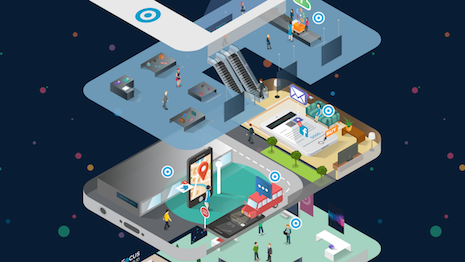
The influence of mobile technology in retail cannot be understated, and we now are seeing a move from “mobile first” to “mobile only.”

In an increasingly pressured world, how are the reasons for luxury purchases changing?
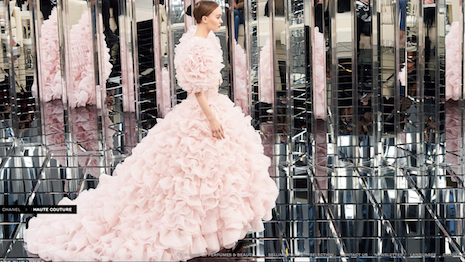
While the desire to create a luxurious online experience is commendable, luxury retailers must be careful not to go overboard and always remember, especially in the mobile realm, that speed and convenience trump feature-richness.

The vast majority of consumers who download an application are challenging to monetize.
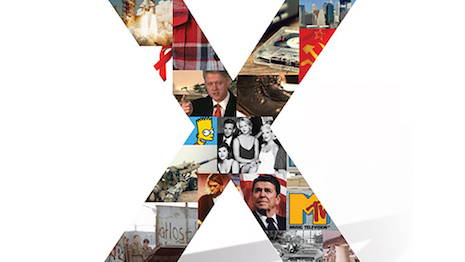
Millennials are the future of luxury, and boomers are its past. Gen X is its present.

Generating content for sales and marketing cannot be done in a bubble. But how can organizations resurface to start listening and engaging in a more effective way with their customers or readers?

How do luxury brands create the symbolic codes to turn these heritage boutiques into sacred places?

Almost half of online shoppers in the United States have made purchases from foreign Web sites. And with an annual growth rate of about 15 percent and a value of more than $350 billion, U.S. online retail has the volume for which brands vie.

European luxury brands are far from fully capitalizing on opportunities to meet the demands of China’s online shoppers.