- No categories



The discount culture is a trend that luxury brands can no longer afford to ignore.

The next person who downloads your app could be located anywhere and will expect a seamless, tailored experience regardless of language. Mobile app localization is no longer a nice-to-have, but a necessity.

Consumers are using fewer apps regularly. A Millward Brown Digital survey found that while the average user has more than 40 apps installed on his or her device, only 28 percent use more than four to six apps per day.

The New York Times reported the Ritz renovation cost $224 million, but according to Ritz spokesman Matthieu Goffard, it was much more. The Wall Street Journal put it in the region of $450 million.

Strange as it sounds, the up-and-coming economic guard wants its luxury purchases to be inclusive and mutually beneficial.

The phenomenon of a technology struggling for relevance only to have one product or implementation spark a fire and suddenly find widespread adoption is not unique.

By focusing too much on match rates and the deceptive value of instant results generated from a matched set, marketers are actually standing in their own way, preventing the next big wave in targeting cross-screen audiences from taking off.

The world’s growing middle class is ready to spend hard-earned cash on luxuries and foreign products like never before. We have seen global abandonment rates, once the bane of on-the-go retailers, drop drastically since 2011.

While ad blockers may seem useful for allowing us to browse the Web ad-free, they can have serious negative effects on those who are responsible for producing that free content.

A recent Pew study found that one out of every three American adults today owns a tablet, up from just 3 percent in May 2010. More importantly, 40.6 percent of buyers consult multiple channels — from Web sites and traditional catalogs to smartphones, tablets and stores — before buying big-ticket home retail items.

The actions taken since then provide both a warning and a roadmap for marketers on how to ensure that they are in full compliance with their privacy obligations in the mobile space.

There is no doubt: the architecture is spectacular and there are a number of high-end interesting stores. But is that enough?

Undoubtedly, chatbots are becoming increasingly pervasive, and they will continue to optimize how publishers and brands communicate and develop relationships with their audience.
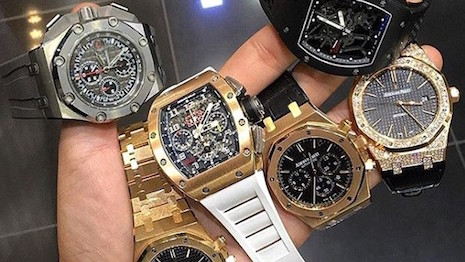
Luxury watches are like the vehicles of the fashion industry. Once paid for, there is a high probability of depreciation.

How can brands leverage text and email marketing to encourage their loyal followers and fan base to help spread the word and elevate favorable, organic content to their friends and followers on Facebook?

Not only do chat bots help businesses personally answer large volumes of common questions, they also enable companies to meet consumers’ growing preferences to solve problems via messaging versus waiting on hold to talk with a company representative.

You do not want your users to think about using your app, just to use it. The part of our brain that controls habit has nothing to do with conscious thought. How can apps tap into its power?

Millennials are the future consumers of all brands, now commanding an estimated $1.3 trillion in annual consumer spending. As brands target the largest generation of all time, the luxury industry still lags behind.

As the digital advertising marketplace continues to develop, mobile display advertising continues to outperform desktop. But within this digital platform, different consumer behavior and trends are evolving with regard to mobile and tablet.

According to Morgan Stanley, in the first quarter of 2016, 85 cents of every new dollar spent in online advertising will go to Google or Facebook, compared to 67 cents in the mobile ad market.

With mobile games set to generate more revenue than their PC and console counterparts for the first time this year, you would be forgiven for thinking that the mobile games industry was in rude health.