- No categories


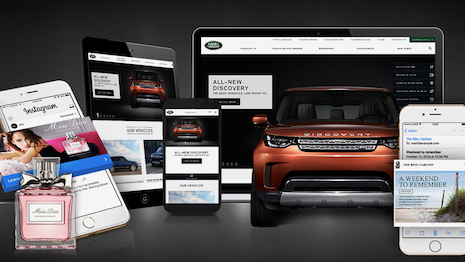
The luxury market is overly saturated with brands spending copious amounts of money on ads while competing for attention from an incredibly niche audience. In fact, this niche-spending group is one of the smallest consumer groups across all verticals.

The days of cheap or free customer acquisition are over. Google ads are highly competitive, Facebook is pay-to-play, and Instagram ads are here to stay. And now Snapchat has launched an enormous advertising push aimed at increasing its annual revenue from $59 million to $1 billion by the end of 2017.

Yes, social media is pervasive. Yes, social media has disrupted the PR industry. But it will never fully overtake PR and here are several reasons why.

Given the overall lack of executive-level recognition of the power that mobile now wields, even retailers that say they have embraced a mobile-first strategy have often not made significant changes in their organizational behavior.

Luxury brands tell a luxury story that fits their image and ideal, not one designed and focused on the customer. But now the Internet has pulled the curtain back and exposed the ugly underbelly of these luxury brands.

With augmented reality applications, and the newfound willingness for users to allow themselves to be augmented, we are entering a new era in targeted advertising.
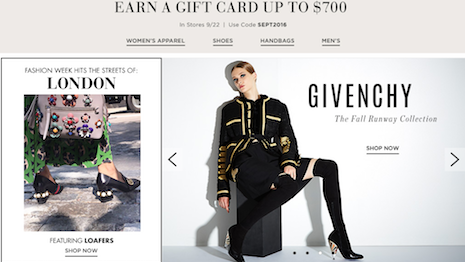
The department store brand is reinventing the experience for the luxury market. It has recognized that it will either have to disrupt its business or the business will be disrupted by all of the other options out there.
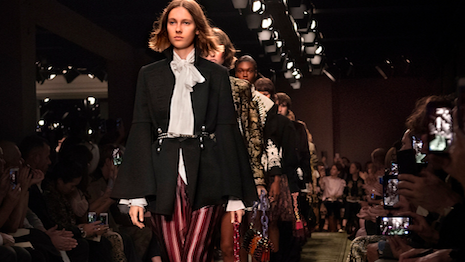
This will very likely go down as the year of the Great Fashion Week transformation.

Havas LuxHub conducted a global study of higher-spending men in key developed and developing markets – the kind of urban spenders who do not only have the tastes, but also the means to influence markets on a large scale.

It is a surprise how many retailers will let mobile brands such as Google Wallet, Apple Pay, Android Pay and Samsung Pay insert themselves in the midst of the transaction. Have they – indeed, have you – thoroughly considered what is really at stake?
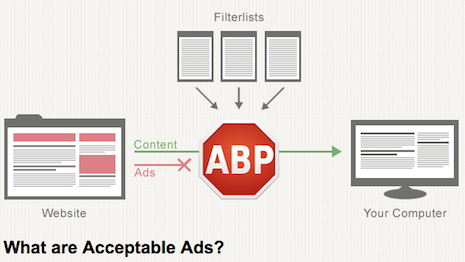
Advertisements that are deemed “acceptable ads” will be rendered on an AdBlock Plus user’s screen in the place of whatever ad was blocked originally.
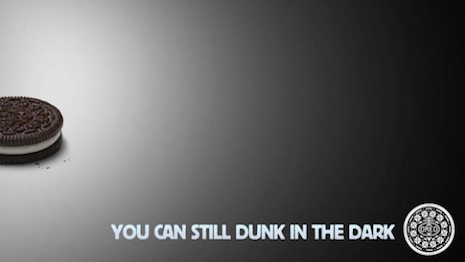
The general consensus among marketers is that push notifications could soon go down the email route in terms of intricacy.

The consumer is now the impromptu director to the brand’s use of video. This leads directly to the erosion of the barrier between consumer and brand through interactive, collaborative video.
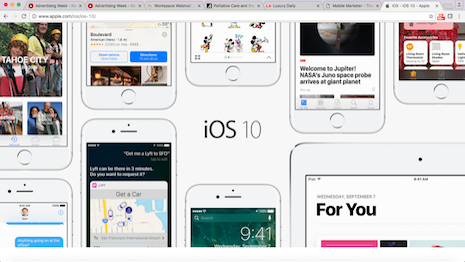
Of all the new changes announced by Apple this month, none are more impactful for marketers than the availability of rich push notifications, which debuted with iOS 10 this week.

Recently, companies such as Lord & Taylor and Machinima have been under fire from the Federal Trade Commission for deceiving customers by misrepresenting paid endorsements in influencer marketing campaigns.

Installs are quickly becoming the ultimate mobile currency and with apps becoming an integral strategy for most of the world’s largest brands, this trend will only increase.

Research has found that our brains process visuals 60,000 times faster than text, so as the screens get smaller and attention spans more frayed, it becomes even more important to use visuals effectively.
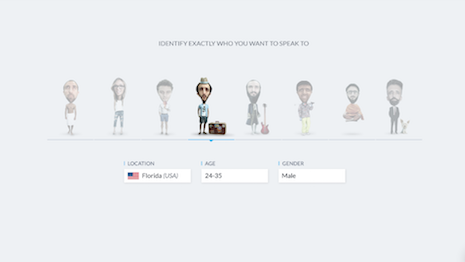
About 10 percent of the $18.9 billion spent globally on market research is allocated to online surveys in the United States alone — that is almost $2 billion.
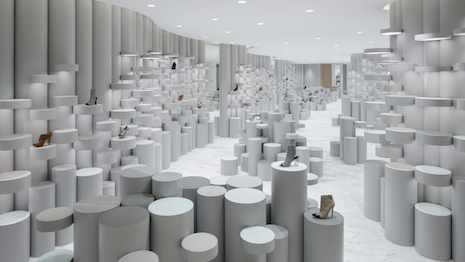
The renaissance in physical formats needs to be seen within the broader context of the move towards an experience economy, where many consumers – especially in the luxury sector – are looking for emotion and access rather than just acquisition.

The reason: We cannot yet track a linear relationship between action and result in mobile.
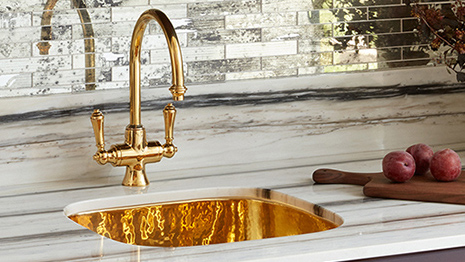
Too many to-the-trade designer brands have not invested in consumer-focused branding, and so have become increasingly commoditized as better-marketed brands capture market share. This is in spite of the fact that the to-the-trade brands offer better quality, superior style, longer life and performance.