- No categories



Think about it: what other industry or company do you know of that charges you for service every month but you cannot start using the service for four months?

When conducting mobile advertising, brands should be asking that one-word question: “And … ?” Yes, in and of themselves, mobile ad programs are great.

With a little creativity and strategic thinking, you can make your mobile commerce app meet and exceed its expectations.

The problem is that mobile and online advertising are as different as TV and direct mail. The same rules do not apply. The same metrics do not apply. And the same goals do not apply.
When it comes to tablets and their ability to engage consumers and entice them with marketing messages, we have not even scratched the surface.
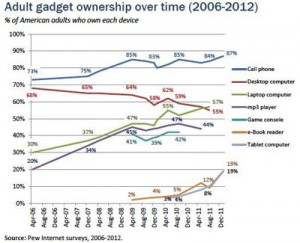
Currently, 88 percent of U.S. adults have a mobile phone, 57 percent have a laptop, 19 percent own an e-book reader and 19 percent own a tablet, while 13 percent of U.S. adults own a laptop, smartphone and tablet.

In many ways, marketing and selling luxury goods is similar to marketing and selling other consumer brands, with a few important caveats.

It is easy to get bogged down with the influx of information about mobile technology. Here are a few simple dos and don’ts to start publishers off on the right foot when developing a mobile strategy.

Not all application installs are created equally, so how do you pinpoint which installs are valuable to your business and move the needle on revenue?

Marketers who use mobile and social media face challenges that these platforms present when making clear and conspicuous disclosures complying with FTC Dot Com Disclosure Guidelines.

One of the guiding design principles for creating a positive user experience has been the consideration of consistency as a critical attribute of the experience.

A new wave of location-based applications has arrived on the scene to cheers of being the “next big thing” by the tech community while instilling fear in others.

Mobile is already unifying once-siloed online and bricks-and-mortar channels. Mobile payments can accelerate this trend by blurring the difference between mobile, online and in-store shopping.

The concept of real-time response is making a significant shift with the rapid adoption of smartphones across the country and around the world.

Political campaigns are usually slower to adopt advanced techniques of brand marketers, and mobile is no exception.

No, this is not just another rambling piece about why QR codes do not work.

The great puzzle that is mobile commerce provides a fascinating study on the emergence of a new financial technology ecosystem.

Here are eight questions that brands should consider as they create their international mobile marketing strategies.

Marketers are seizing the fact that video delivered to mobile phones and tablets is fast becoming one of the most compelling tools for marketing, advertising and public relations.

The fact is – and Best Buy has apparently accepted it – showrooming is not going away. Retailers must embrace that consumers may visit their stores with the intention of showrooming.

It might seem odd that a former chief marketing officer and the founder of a company which helps brands advertise on mobile would pen an article questioning the long-term viability of paid media.