- No categories



The average marketing budget today commits around 15 percent to digital – the majority of which is still via PCs. And for CPG and physical stores, it is a mere 2 percent. Why the discrepancy?

Author Bridget Brennan discusses the difference between sex appeal and gender appeal in an excerpt from her book, “Why She Buys.”

E-signature services are a primary example of how luxury brands can employ cloud-based solutions to scale quickly and enhance the customer experience.

Mobile commerce is expected to reach $31 billion by the end of 2016 and grow at a rate of 40 percent each year for the next five years, according to a report published by Forrester Research.
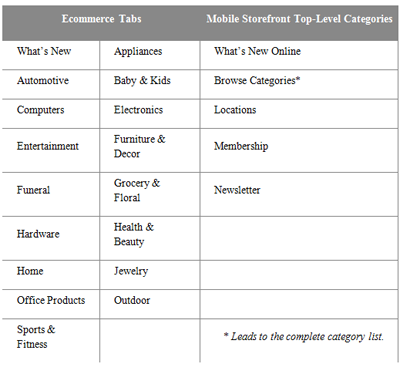
In the past, retailers thought of their mobile storefront as a kind of showcase, rather than as a real supplement to the ecommerce bottom line. Not so now.

There is no denying the effect that the economy has had on luxury markets in the last few years, but one aspect that has not been looked at as much is the U.S. perception of real estate value and how that has changed the way people shop.

As 2D bar code campaigns become more popular, many companies are failing to follow the golden rules of implementing mobile codes, leaving consumers frustrated and confused. These are five pitfalls to avoid.

It should be no surprise that one of the newest CRM strategies reflects that larger trend in mobile: the use of apps to engage the consumer.

There is no denying that the marketer’s role is not getting any easier, given that mobile and social media demand real-time decisions, personalized messaging and location-based offers.

A recent study from Google and Ipsos OTX shows that 95 percent of smartphone users conduct mobile searches, with 88 percent of those taking an action as a result within a day.

Mobile holds the promise of fundamentally changing the relationship that brands have with buyers. Unfortunately, many companies still are not optimizing their mobile strategy.

Despite the many obvious benefits and the significant interest it has generated, geo-targeting has yet to truly take off.

Business-to-business marketers should be thinking about mobile apps as customer relationship marketing tools that literally follow the customer throughout their day.

Like it or not, U.S. consumers are watching more television than ever, combined with increased access to mobile video.

Today’s consumers are multichannel shoppers, and if one channel disappoints, they will abandon the others.
Mobile apps are becoming so commonplace that brands are being evaluated by consumers based on whether they have an app and how good or bad it is.

Is there anything wrong with 1 million people using your app only once?

Deep group discounting is a proven tactic for immediate bumps in cash flow, but it is not without its pitfalls.
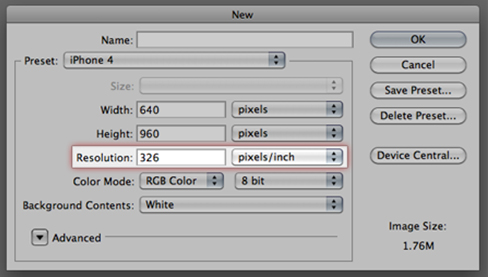
The rapid adoption of mobile technology has introduced a tricky set of constraints – smaller screen sizes, landscape and portrait ratios, odd UI/browser variations – that can overwhelm newcomers.
The thing that is becoming crystal clear in mobile implementation: it is not easy to do. Marketers and retailers that want an easy path to mobile will be disappointed.

SoLoMo is currently talked about by many industry insiders as a handle to represent the future of mobile connectivity and engagement with customers.