- No categories



The white-glove experience made possible by the concept of the little black book created a personal touch for shoppers and gave them a reason to keep coming back again.
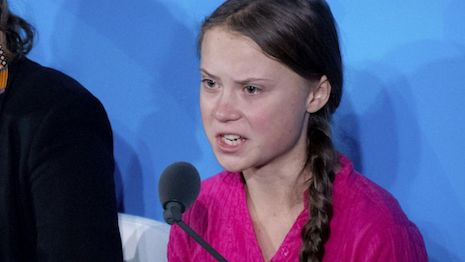
While the world watched a tough, passionate 16-year-old from Sweden take on the very real and pressing issue of climate change, I kept thinking about the impact to brands.
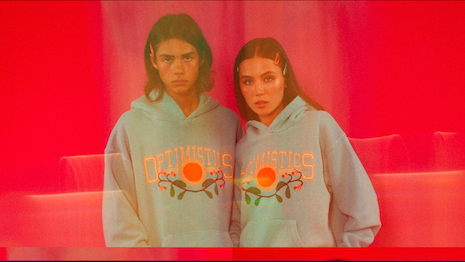
Paris-based LVMH knows what luxury consumers want, and year after year it is successful in delivering it to them. But like any other big company, there comes a time when it reaches its zenith and starts to plateau.
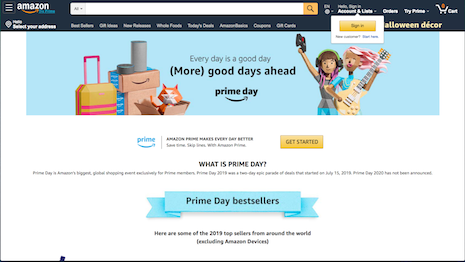
In just five years’ time, Amazon has solidified its Prime Day holiday as a mammoth shopping event, and its impact is felt across every corner of the retail sector. Indeed, it has caused a midsummer disruption in today’s retail ecosystem.

With social media controlling the narrative and creative direction, capturing experimental setups and shows are presenting a challenge for fashion photographers.

Art is a reflection of the times we live in, and the idea of white box as an art format is very 20th century. The format of 21st century art is the feed.

It is a shame to let fear prevent progress, so I would like to set the record straight on a key trend that is causing concern: the rise of revenue operations and what this means for CMOs.

There is a growing backlash, often starting with bloggers and influencers, against the amount of waste that comes with the packaging and shipping of products, or in the case of cosmetics, it is often the products themselves.

Some businesses fail to make conscious, intentional choices about their branding and live to regret it later. Others make intentional branding choices, but over time, for one reason or another, those choices no longer serve the business well.

A myopic focus on social media as the only growth explanation ignores the complex web of factors that help to explain the rise and prominence of the Fenty brand collective.

Vendor brands of all types resist requests from merchandisers to use personalization or automate messaging, taking visibility and control out of their hands.

The fashion industry produces around 80 billion items of clothing a year – an average of 10 items per person – and the entire supply and distribution chain has a huge environmental impact.

Now that Giulio Capua has settled into his job as luxury group publisher, his vision for Meredith’s luxury group is coming to fruition.
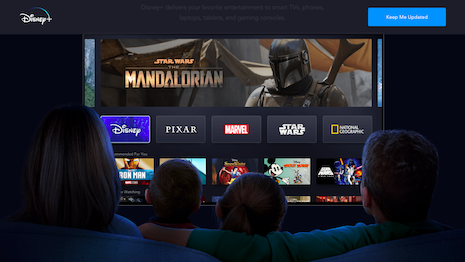
After a decade of steady growth, the future of major streaming players such as Netflix and Hulu is suddenly in question, and the uncertainty has left experts pondering a litany of questions.

The digital advertising boom – with a whole generation living their lives online – has made human connection a commodity.

Will virtual fashion replace fast fashion? Apart from the wider technological landscape, a complex global political and social crisis has given way to fertile ground for cultural change.

With more than 12,000 physical stores forced to close in the last decade in the United States alone, and ecommerce growing at a rate of 15 percent year-on-year over the same period, it is easy to see how the phrase “retail apocalypse” has developed such currency.
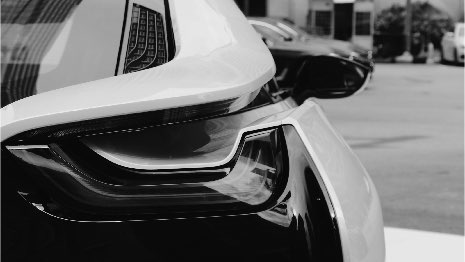
What will it mean for car manufacturers when the number of millennials buying cars outstrips that of Gen X? They are a generation that does not respond well to Jeremy Clarkson and the existing totems of motoring media.
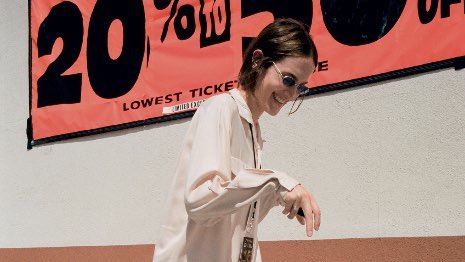
We can now control the visual world we surround ourselves with, and it is becoming more personal.

The current status quo seems to tolerate a continuous flow of throwaway collaborations that champion novelty over substance.
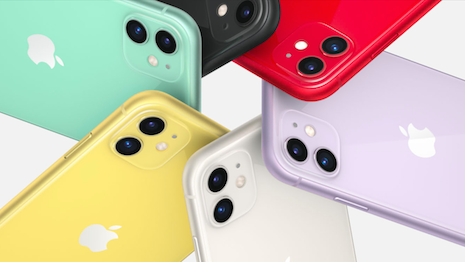
The end of consumer habit and consumer loyalty is near. But there is one constant that will emerge in the next decade to dominate consumer choices.