- No categories


Logos and the company’s overall visual design have become more challenging as the marketplace has expanded and communication amplified globally.

Per a recent report, more than 300 international brands are planning to open stores in India by 2020, which is a clear indication of the strong belief in the Indian luxury market’s potential.

Plus some realities: Many brands are luxury pretenders who wrap their messages in luxury values, but deliver mass-market experiences at high prices. Oh, and many people in luxury today have expired mindsets with expired experience for a changing world.

Design patents have both advantages and disadvantages over copyright protection. Where appropriate, they can be very powerful tools to protect a design.

AI makes it possible to classify products on a truly industrial scale to identify value-drivers.
The new luxury consumer is a generation younger, lives in China and buys via WeChat. Not surprisingly, luxury brands need to fast embrace technology to deliver growth in a changing world.

Facebook and Instagram video ads are akin to street performers – they occupy a crowded, bustling space, and if they do not capture attention quickly, potential audiences are fast to move along to the next, more exciting offering.
Online experiences already impact 40 percent of luxury purchases.

The biggest surprise found across a new study is that the most well-known premium brands in the home furnishings and appliance space are often not the ones that rise to the top of their category.

The Black House Mill project will keep alive the art of making tartan locally, ensuring the craftsmanship skills are not lost and Scotland’s heritage is preserved, while debunking the fast-fashion trend worldwide that is destructive ecologically.

Italian luxury brand Prada is rethinking its business strategy, embarking on a bold overhaul of its digital offering that includes brand collaborations, ecommerce partnerships and dedicated online campaigns.

it is important to understand that there is a spectrum when it comes to selecting your brand’s social cause. Consider using these three core categories when plotting your brand’s direction.
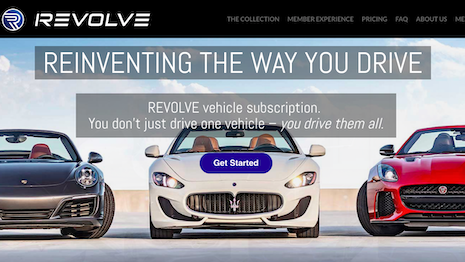
The dominant economic model of the last 150 years is coming to a close.

Luxury brands keep trying to up their prices by elevating their luxury value proposition, but the foundation on which they are trying to build that perception is shifting out from under them as the consumer’s idea of luxury and theirs no longer align.
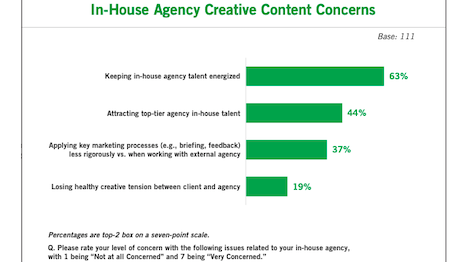
A new report from the Association of National Advertisers claims that marketers with in-house agencies find it difficult to keep their creative teams energized, while also being concerned about their ability to attract top-tier creative talent.
Digitizing the traditional advertising model has precipitated some harmful effects.
Copyright protection can be a useful tool for fashion and luxury goods companies to protect designs, especially jewelry, fabric and certain clothing designs.
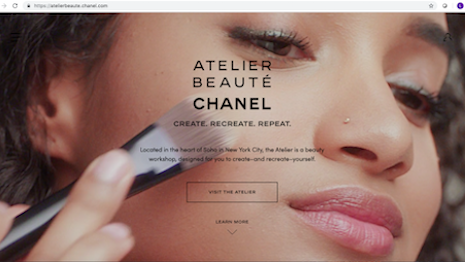
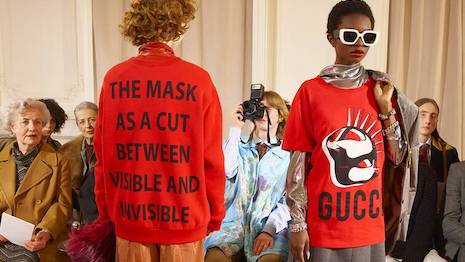
Gucci and Chanel are using the power of customers’ smartphones to deliver more personalized and human-enhanced service to their customers.
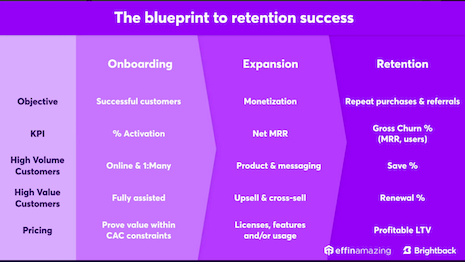
The length of the customer lifecycle is one of the reasons why marketers do not always have customer retention top of mind.
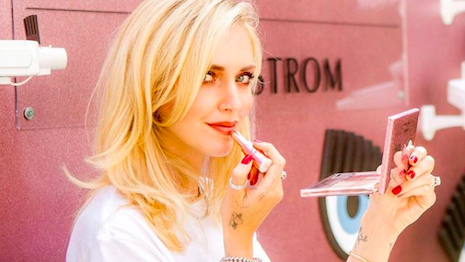
Department store retailing is a people business. It is not a product business anymore. What department stores sell now is less important than how they sell it: the shopping experience.
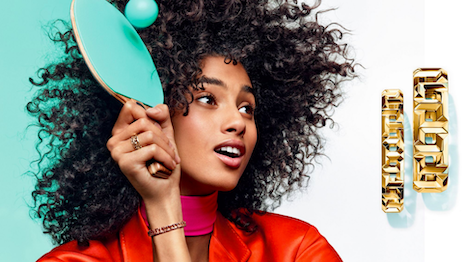
Tiffany’s first-quarter 2019 results disappointed, with worldwide sales declining 3 percent to $1 billion and comparable sales off 5 percent. Net earnings disappointed too, down 12 percent from the previous year.