- No categories


Widespread adoption of digital payments is simply a matter of time, as baby boomers and the older silent generation age out of the active consumer population and Gen Z moves in. For these post-millennial consumers who have come of age in a mobile-first world, cash and credit will be a quaint notion.
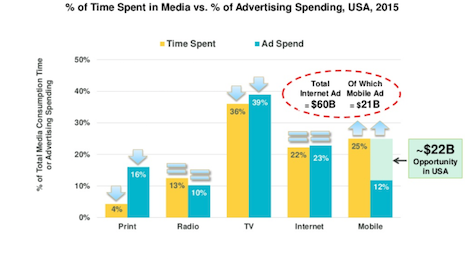
If the mobile ad market is going to reach its full potential and fill the gap between consumers’ media attention and marketers’ media buying share, it will have to first address a unique set of challenges and obstacles.
A dialogue with a Paris-based entrepreneur tapping the emerging wealth in Sub-Saharan Africa and other parts of the continent with the resulting desire from the ultra-affluent for the finer things of life.
Consumers today are well informed and have specific preferences when it comes to advertising, especially when they are watching video content.

As location-based targeting matures, sophisticated marketers know they must expand beyond simple geofencing campaigns.

We face a luxury industry in crisis. The first thing to do in any crisis is a critical assessment of the situation.
When Google announced in early 2016 that 85 percent of the search results returned on mobile devices were now mobile-friendly and dropped its mobile-friendly tag, it became apparent that marketing and Web professionals needed to stop telling marketers to go mobile.

Although still relatively new to the scene, chatbots are bringing marketers and consumers closer together by bridging the communication gap between a brand and its customers.

Are luxury brands keeping up with the changing times and the evolution of other brand-consumer relationships? Here is how luxury marketers should follow the example of “love brands” such as Apple.
If 2015 was the worst year for traditional retail since 2009, last year was confirmation that something is wrong.
The debate over which retail strategy to employ is as passionate as it is unending.
To create new opportunities among consumers and generate greater profits from existing shoppers, retailers are increasingly turning to new platforms. But which technologies will move the needle?

The global luxury market has now reached an era of single-digit growth. However, as the rest of the world stabilizes, the Indian growth story is hard to discount.

Luxury brands are learning that pandering becomes more difficult in a digital world.

What do a subway platform, doctor’s waiting room and a lame party have in common? They are all places you are likely to find me shopping on my smartphone.
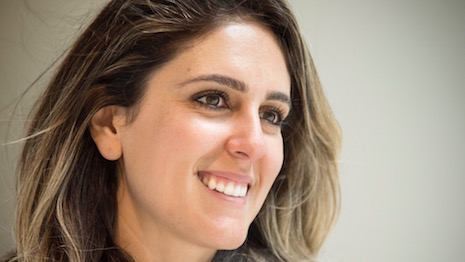
There is one particular signal that unpacks the information that U.S. millennial women are unconsciously filtering during the luxury purchase cycle: the identity and portrayal of the female persona.
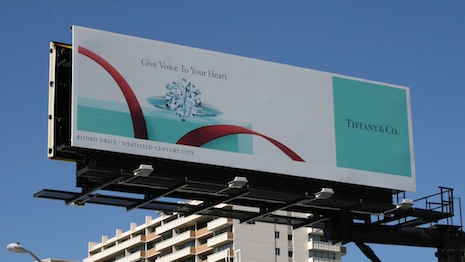
There was a time when, if you wanted to buy OOH media in a city, you could select media owners who occupied specific places or venue types that you felt matched your desired audience: business people in office buildings or vehicle owners at gas stations, for example. Not anymore.

Repeat Roses is an eco-friendly company headquartered in New York that collects and repurposes florals from events and delivers them to nursing homes, hospitals, hospice care and pediatric cancer treatment facilities.

Gone are the days of linear mobile campaigns. Now, content, media and mobile marketing assets must be optimized and personalized with precision to generate the best engagement and results.
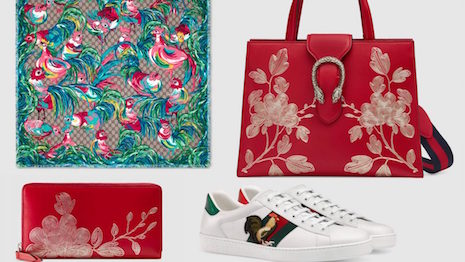
Chinese customers do not like it when they feel designers misinterpret or misunderstand Chinese culture.

By 2020, brands will be held to the same standards as people, and they will have the wherewithal and self-interested, aligned motivation to deliver.