- No categories



Recent research has shown us that many shoppers will mark email as spam if it does not work on their mobile devices, a move that potentially endangers deliverability across the board.

With loyalty programs going digital and, in some cases, being the driving factor behind the retailer’s move to adopt and understand the power of mobile wallets, it is time that the industry rethinks the wallet.
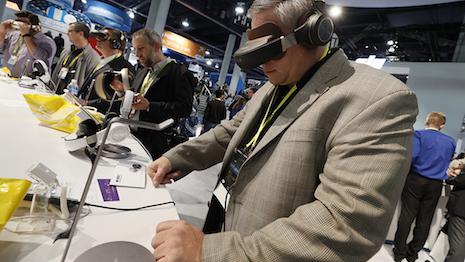
The devices in the next decade will be intelligent versus smart. They will be run by artificial intelligence and increasing processing power, and provide a level of functionality not possible to imagine a decade ago.

Is your ecommerce team excited to send customers to your retail locations if the customer is close by? Are your sales associates equally happy to recommend a product that is only available online? If you cannot answer an emphatic “yes” to both of these questions, your organization is not thinking customer-first.

Consumers are adapting, not to ecommerce or mcommerce, but simply to convenience.

While technology offers plenty of exciting opportunities, what do marketers really need to pay attention to this year?
Few would have predicted in 1992, aka the age of the infamous “Saved by the Bell’s Zack Morris phone” (also fondly referred to as the “Brick”), that heading into the year 2017 we would be consumed by our mobile devices. But it is indeed true, and growing ever more so by the minute.

The coolest Instagram account of the moment is not Gucci or Balmain or even Vetements. It is F.R.S, or For Restless Sleepers, a brand whose items makes us want to leave the house in our pajamas.

This will undoubtedly be a breakthrough year for the mainstream adoption of native advertising led by technological improvements, scale, data and new industry standards when it comes to content consumption.

Dior, Chanel, Gucci, Rolex, Dunhill, Armani, Vuitton – prestigious names that we all recognize in an instant, the time it takes to say “Ritz.” Daslu, Concern Kalina, Ganjam, Shang Xia – these might take a little longer, cause a frown to appear as you search in the back of your mind, or even raise an eyebrow or two. Do you know them?

Marketers need to look at the big picture, and may need to change their mobile success goals from conversion to engagement, at least in the short term.

The intelligent luxury economy is changing the way that luxury consumers work, live, learn, create and play. It is a mash-up of intelligent cyber-physical systems that create new capabilities for people and machines.

As the New Year begins, marketers are carefully planning their strategies for their campaigns in 2017. Sure, there are plenty of tools, tips and tricks to choose from, but selecting the right ones for your brand’s objectives is crucial.

When today’s consumer has questions about your product, it is no longer acceptable to wait for the answers — they must be addressed in real time or the customer will turn to the next readily available and better option.

For consumers, a smartphone can represent familiarity and comfort. For marketers, though, a smartphone can represent chaos and uncertainty. Conversations I have with agencies, brands and publishers about mobile marketing increasingly seem marked by anxiety.

Environmental issues are a recurring topic among luxury brands in China as the country struggles with pollution and the wide-ranging effects of being a manufacturing superpower.
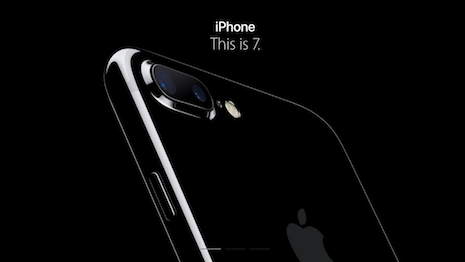
Mobile continues to be the marketer’s medium of focus, with mobile increasingly subsuming the overall digital advertising landscape. Where go eyeballs, so goes the money.

Designer merchandise used to be the ultimate status symbol. The upper class was defined by who they wore. For most others, the closest they could get to a Donna Karan dress was leafing through the glossy pages of Vogue magazine.

A season once defined by hectic shopping malls, frenzied crowds and stocking the shelves of bricks-and-mortar stores shifted this year to something a bit more homey.

Brand-safe environments and measurable key performance indicators need to help wean luxury advertisers off their print habit.

With attention spans shrinking and mobile devices dominating, you can see how mastering short-form messaging will be a key skill for marketers of the future.