- No categories



Ample research shows that buyers are already more than 70 percent through the buying cycle before reaching out to a sales rep. According to multiple studies, 42 percent of those buyers are using their mobile devices during the B2B research process.
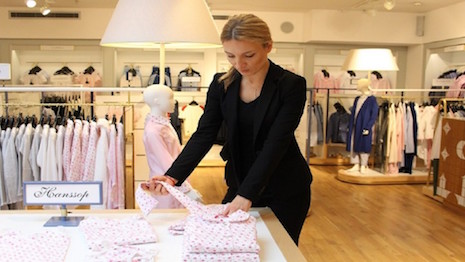
Luxury brands are focused on high-tech smoke-and-mirrors to create even more dazzling and awe-inspiring impressions of their brands that flash up on the screen of consumers’ computers, tablets and mobile phones.
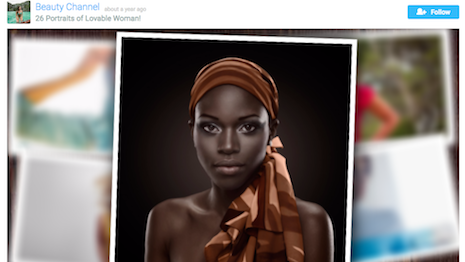
With social media, email campaigns, Web pages and video games featuring embedded videos in a variety of styles and formats, the success of a video ad campaign is very much dependent on its originality, quality and relevance.

Consumer-centricity and one-to-one relationship building are now core concepts of modern marketing, so getting to know the consumer is vital for retail brands. But we all know this can be challenging in an offline environment.
The holiday season drives more app downloads in the United States than any other time of year. Here are key insights into how app marketers can capture the momentum during this crucial time for their businesses.

The Swiss-made brand has been devalued. It is time to find something new to say, or something more pared back.
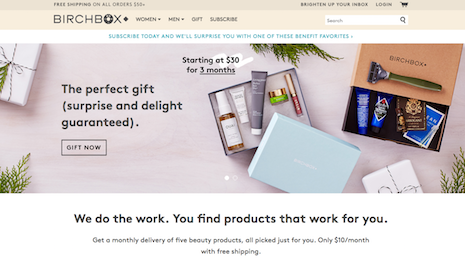
Ecommerce is becoming a major force in the beauty industry, representing 6 percent to 8 percent of total sales with steady growth projected, according to A.T. Kearney.

To keep holiday gatherings peaceful and happy, there is a rule in my house: we do not discuss politics.
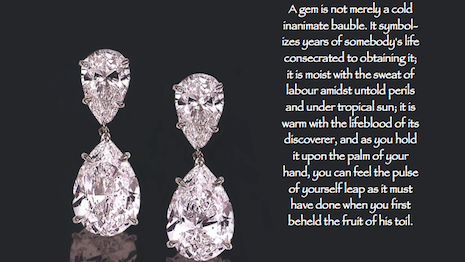
Without a standardized pricing model, there is a huge amount of room for diamond dealers to take advantage of consumers.

Compared to other generations, millennials are 20 percent more likely to look at the elements of L.A.T.T.E. when making shopping decisions.

Millennials grew up in the age of the Internet and no longer see the majority of online ad inventory, let alone engage and click. How do you truly grab their attention?

The way modern women access and experience beauty is more dynamic and varied than ever before, which poses an important question: How to create desire and allure while still engaging with a modern luxury customer?

Pokémon Go, a free-to-play, location-based augmented reality game developed by Niantic, has been driving a lot of hype. Some claim it is the hottest mobile game ever and peg it as the next tech trend, whereas others argue it is declining in popularity, losing millions of players weekly.

So you have a lot of data about your app users. Now what? Here are three in-app marketing strategies you can implement before Black Friday to help drive foot-traffic to your stores.
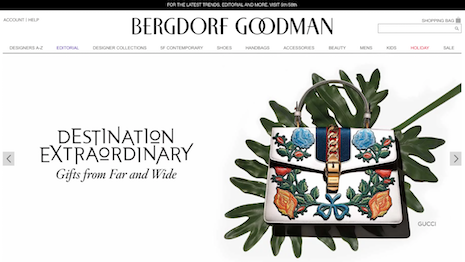
November and December drive 30 percent more revenue for online retailers than during non-holiday months, with the days from Black Friday through Christmas specifically generating 50 percent to 100 percent more revenue than non-holidays.

You have probably heard it too many times to count: “2016 is the Year of Mobile.” Come to think of it, you probably heard “2015 is the Year of Mobile” last year and “2014 is the Year of Mobile” before that and “2013 is the Year of Mobile” before that.

Alleged kickbacks and rebates have stirred suspicion and distrust between advertisers and agencies following the recent report from the Association of National Advertisers. Yet the controversy over transparency is overlooking a much bigger issue challenging the conventional agency-advertiser relationship: compensation.
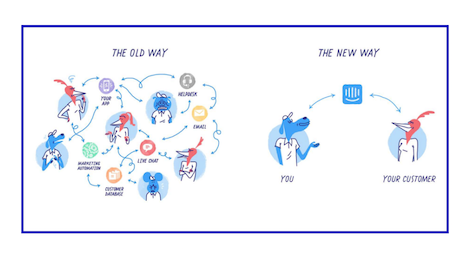
Inboxes are still plagued by spam, social media has turned into an ad platform, and even modern solutions such as live chat are often impersonal and difficult to use.
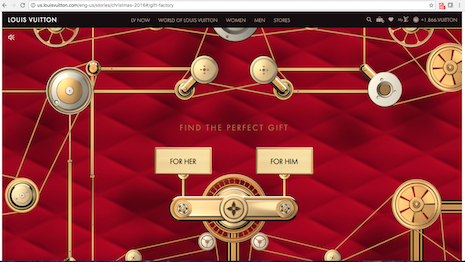
The digital presence of luxury brands has affected offline sales. Luxury shoppers tend to research online before taking the plunge and spending big. For the luxury retailers, there is a lot of potential riding on strong Web performance, particularly speed and availability.

The Trump victory and ascendancy to the highest office in the United States has thrown fashion and luxury brands into a tizzy – not surprising given that they had overwhelming thrown their weight behind Hillary Clinton.

Having a voice and being understood could be crucial as, given its strong international focus, the stakes for British luxury are perhaps higher than for other parts of the economy.