- No categories



It is no longer sufficient to just count more ad placements. A wider, holistic monetization approach is required here, with some greater focus on cross-channel expansion, mobile strategy, native ads and offline marketing channels.

Mobile ads grew by 66 percent from 2014, compared to just 5 percent for desktop ads, and the mobile ad market in the United States is now estimated at $22 billion, based on data that shows consumers spending 25 percent of their time on mobile devices.

It is hoped that President-elect Donald Trump’s broad business experience will lead him to understand the value that advertising plays in our economy.

The black swan is a theory that was developed by Nassim Taleb that helps explain the Donald Trump victory and why it was missed by experts.
The most important sales and marketing tool that you have is the mobile experience that you offer your users. This holds especially true for luxury brands where the expectations that consumers have is higher.
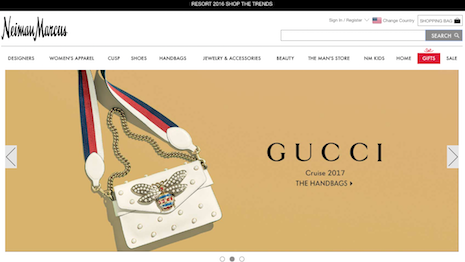
Despite the significant shift to mobile, conversions are lower by 63 percent for mobile as compared with desktop shopping.

We are rapidly approaching the most wonderful time of the year again. In preparation, marketers have been gearing up for the holiday shopping season — which comprises as much as 30 percent of retailers’ fiscal-year sales. And this year, the stakes are higher than ever.
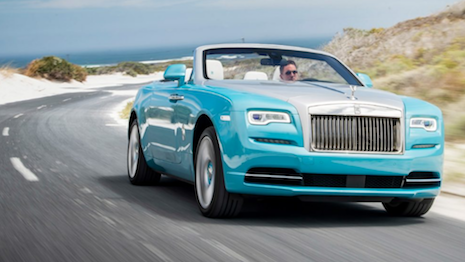
A recently completed consumer study on the affluent shopper reveals the realities of this rapidly growing segment and implications to retailers.

Brands are facing a challenge of ensuring that influencers are promoting their message, vision and product in a way that builds the company’s brand first and foremost – rather than the influencer prioritizing his or her own brand.
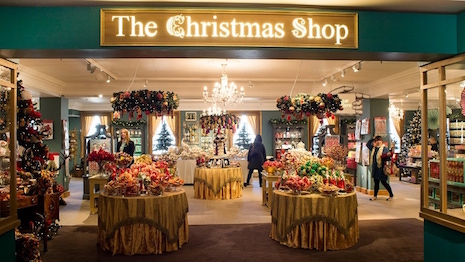
New numbers from analytics provider RetailNext estimate that, overall, digital sales will climb to 16 percent of total retail sales this year. This will also impact an 11 percent decline in bricks-and-mortar store traffic in November and 5 percent in December as compared to 2015.

I need you to indulge me on an extremely circuitous – although hopefully informative – illustration of why the technology pancaking of services with a healthy portion of human-cantered design are essential to drive market adoption.
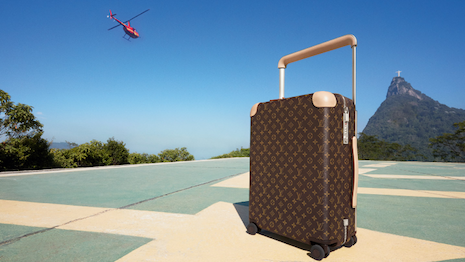
NEW YORK – Acquisition of new ultra-high-net-worth (UHNW) consumers will be key to building sales for luxury brands as they adapt to the new normal of annual growth in the 3-5 percent range, down from 8-10 percent during the halcyon days of the past.
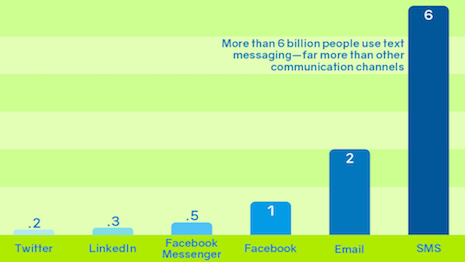
Which other communication technology is able to provide instantaneous feedback and almost guaranteed open rates?
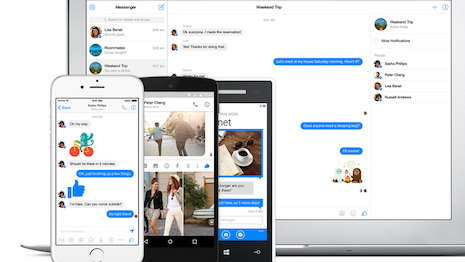
While customer experience is hardly a new concept in the marketing world, recent mobile developments underscore the extent to which experience matters more than technology.

These days, push commerce is the default setting for marketers. Do you want customers? Assemble a gargantuan email list, blast out notifications with dozens of deals multiple times a day, and hope it will nudge someone toward a buy.
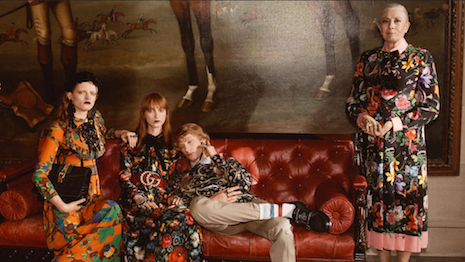
If wealth and upper-class stations are evaporating as lifestyle markers, old-guard luxury brands are in a tough position.

Some estimates say that by 2017, more than 30 percent of online travel bookings will be made on a smartphone.
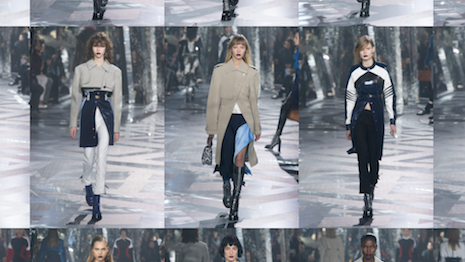
Lowering prices on luxury items has become a go-to marketing strategy for high-end retailers.
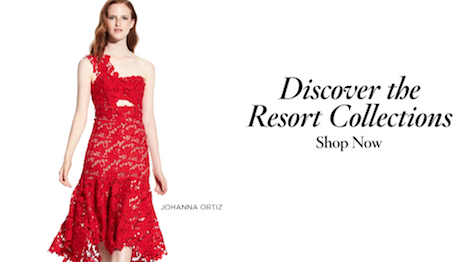
Performance used to be synonymous with BMW, convenience was a personal shopper at Bergdorf Goodman, and on-demand meant Jeeves bringing up a bottle from the cellar.

Recent studies suggest that recommendations from social influencers hold as much weight as those made by family and friends.

As the holidays approach, mobile has the ability to make or break retailers’ peak shopping season.