- No categories



It is natural to compare SMS to email marketing. Both types of marketing involve sending messages to recipients who have opted in. This comparison, however, should not be carried too far.
It is no secret that luxury brands have struggled to make the online leap to ecommerce. The biggest hurdle? The fact that the luxury in-store experience – of personalized service, insider knowledge, exclusive access – is so strong. It is luxury’s biggest selling point. But it is also the most difficult aspect to replicate online, where everyone – and anyone – can access it.

These shoppers who make purchases on smartphones account for 63 percent of fashion shoppers under 35, and will only continue to grow to represent the bulk of all fashion shoppers in the near future.

A striking 34 percent of marketers list mobile marketing as their most difficult tactic to execute. Fewer than 30 percent say they have an “excellent” grasp of mobile advertising, and 22 percent described their understanding as “poor.”

If luxury retailers do not get on board, they will soon be eclipsed by mainstream retailers – and that is not good for appearances or the bottom line.

Proximity without affinity produces a flood of false positives.

Digital technology has become our answer to almost any question, a siren voice offering the global luxury sector undreamt of levels of engagement with whole new audiences.
For luxury brands, the very art that motivates designers to create clothing is threatened when a 9-12 month planning period simply will not cut it against brands such as Zara or H&M that can churn out off-the-runway looks in mere weeks.

As advertising strategies continue to adjust to the digital age, many marketers fear that an obsessive focus on data is having unintended consequences.

The concept of app store optimization has caught fire recently due in no small part to the massive volume of applications clogging the app stores: nearly 3 million apps are available on the Apple App Store and Google Play apiece.

Establishing a proper retargeting plan – whether you are on a strict closed budget or an open monthly spend – for advertising activities via real-time bidding is key.
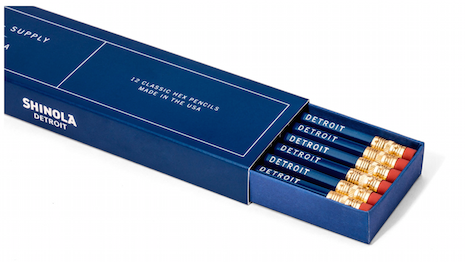
To delve deeper into understanding what makes a brand luxury and why – whether it is a new brand such as Shinola or a classic one such as Montblanc – brands need to deliver the same essential values to the customers.

The key to creating a superior mobile shopping experience begins with the understanding that mobile search matters.
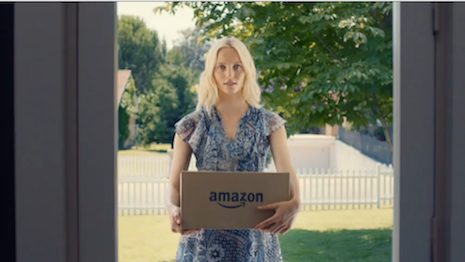
Many brands considering or currently working with the company approach Amazon’s business the exact same way that they do all of their other retailer relationships. Why do they do this if it is no secret that Amazon is so disruptive and different?

Whether you are growing an existing SMS marketing list or building one entirely from scratch, use every traditional marketing channel to inform customers of the benefits that opting-in to your text messages can deliver.

It is a triumph – not just for augmented reality, or even mobile in general – but for people who are starting to realize that perhaps social media is not that social when you are conducting your relationships through contrived Instagram filters and status updates.

To reach the UHNW audience, your brand needs to be an eagle, not a sheep.
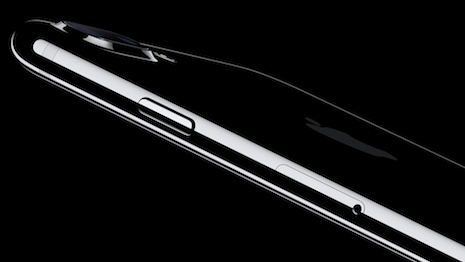
Every year Apple met, set or exceeded consumers’ expectations for their ideal smartphone. And doing that kept consumers loyal and the brand very profitable. QED. Quod erat demonstrandum. But then the competition reset category expectations.

Luxury means many things to different people. For some, it means price, for others it means time, and for yet another few, it means experience. To achieve the bottom line for their companies, chief marketing officers and marketing directors at luxury companies are tasked with discovering how to interpret these multiple definitions into a strategy that drives business. This monthly column, The Pursuit of Luxury, will examine just how they do this.

You can praise native ads all you want, but it is not a silver bullet. You can say that brands are becoming publishers until you are blue in the face, but the fact is that the vast majority of digital ads are still intrusive, irritating and, increasingly, creepy.

The intersection between fashion and technology is hot. But beyond high-end fashion brands becoming more comfortable with ecommerce and cautiously developing their social media, content and mobile strategies, technology is still used as something of a gimmick.