- No categories



Reinventing the wheel in the form of separately managed Web sites or apps for every mobile device type is not only costly and complex with the multiplicity of devices, but it is also becoming impossible.

Barclays Capital predicts that U.S. mobile commerce sales are expected to hit $5.3 billion in 2011, up 83 percent from a year ago. What does that mean for mobile merchandising?

This year will see a set of very different digital screen mediums all but collide – and that is a good thing.

By the end of 2014, Gartner forecasts there will be more than 185 billion applications downloaded since the launch of the first app store in July 2008.

The shallow “get to the Top 10” strategy is no longer a universal solution. Do not get me wrong – it is still a viable answer for many marketers.

Coming to a decision between the mobile Web and a standalone application means finding the right balance between three factors.

Given the current legal and regulatory landscape, companies using mobile must proceed with caution to side-step potential state and federal landmines, including class action litigation.

What is the importance of post-click tracking and transparent reporting in proving the power of mobile advertising?
While the two gorillas of the market have the potential to own mobile advertising, they both lack a compelling offer around the one key element that will define the winners of the mobile ad industry.
I was watching the Grammys a couple of months ago, and as I sat through the usual clumsy award show mash-up of acts, I realized that the more important event took place earlier that day.

The creation of successful mobile campaigns requires a combination of the knowledge accumulated in the world of result-based online marketing with an understanding of the differences of mobile.

Clients oftentimes tell us that job candidates do not express a passionate interest in the position for which they are interviewing.

The three screens – TV, Internet and mobile – represented 71 percent of media consumption in 2010.
A predominant luxury marketing rule in the past had been based on the attitude: “If a celebrity is needed to sell the product, there is a problem with the brand.”

Spending on mobile display advertising nationwide is expected to reach $1.2 billion by 2015, according to ABI Research. This is triple the $313 million that is currently spent.

While all sights have been locked in on Apple and Google to see how high the bar will be raised, Amazon has built what is arguably the best combination of products to be a force in the mobile marketplace.

The luxury retail market is the ideal proving ground for in-store mobile media, thanks to luxury shoppers’ demand for higher convenience, better service and unique shopping experiences.

This is the year that retailers will take back their stores through mobile commerce. Smartphone penetration nationwide is predicted to increase from 28 percent to 50 percent by year-end.
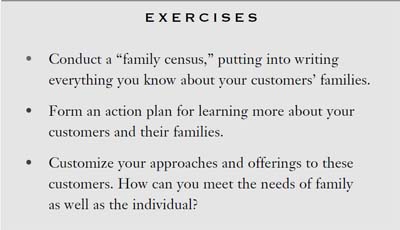
By Jim Taylor, Stephen Kraus and Doug Harrison. The authors of Selling to the New Elite discuss marketing to the elite through their families and using passion.

All too often businesses are hastily adding text messaging to the marketing mix without taking appropriate consideration of all the factors that can make or break the effort.

Though tempting, it is simply not enough to replicate an existing Web site and make sure it shows up or is functional on a mobile Web browser. Mobile-specific considerations must be made.