- No categories



Artificial intelligence (AI) has shaken up customer service.

The initial delight around a curated advertising experience has been met with recent blowback around data privacy.

Whether it is streaming music, listening to the radio, or tuning into new podcasts, consumers are connecting with digital audio at an increasing rate. It is time for advertisers to take note.

Laws are changing. Tastes evolving. Disruptive products, ready to launch. Because of the many uses of cannabis, now is the time for the luxury and lifestyle industries to step in and figure out their cannabis play.

You have certainly heard of caveat emptor, putting the onus on consumers to garner the knowledge and legitimacy of a sale.

Most companies involved in marketing and promotion would never engage in blatant dishonesty. They need to be aware that any chicanery in ratings and reviews may well be scrutinized.

Luxury companies are reassessing the value of brand history and heritage for their new consumers: millennials and Gen Z.

Key to the continued growth of luxury brands and retailers, U.S. shopping centers and malls are not uniformly afflicted by the rise of ecommerce or urbanization.
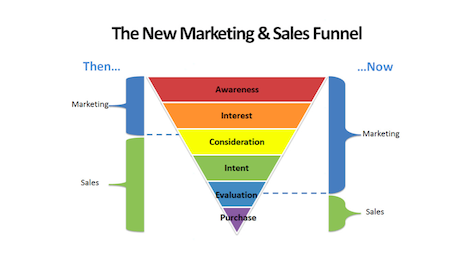
This shift is happening, in part, because more brands serve both consumers and businesses, as when a B2C luxury bed-sheet startup lands a contract with a national hotel chain.

The exterior is designed to impress, and the waved glass fascia windows certainly do that. You would expect this theme to be carried through the entrance and into the store, creating grand and playful moments.
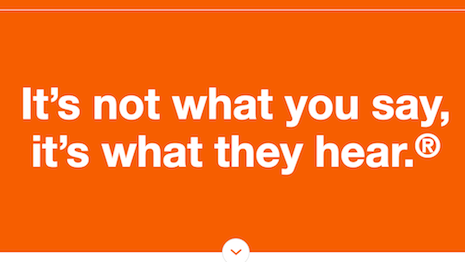
Luxury marketers this year have had to go through wrenching changes to gear themselves for an upcoming decade where consumers’ involvement with the brand, from start to finish, will be nearly total.

By seeking those agencies that have similar makeups to those of consumers, brands can ensure their efforts are aligned with the market they are targeting.
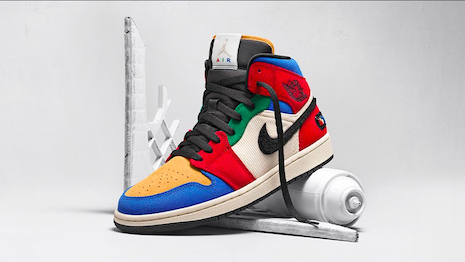
How one brand stood up to Amazon and took a stand in favor of controlling its retail experience – now key to consumer shopping expectations online and in-store.

The demand for convenience is changing the behavioral patterns of consumers. What should brands and retailers do?

Why the shipping process holds the key to maximizing engagement with new and existing festive customers and inspiring them to come back for more.

LVMH’s Bernard Arnault, the reigning pope of luxury marketing, brings near-religious intensity to controlling the 75 luxury maisons that make up his dominion, with Tiffany & Co. soon to join.

Brands that are GDPR-compliant should be able to easily meet CCPA compliance. However, they must account for some ambiguities.
Luxury marketers and retailers are facing turbulent times with a new generation of wealthy customers embracing an enlightened set of values.

How do you stay in good financial health when your vendors are enormous companies that do everything slowly – including buy your products and pay the bills?
Quizzes are not simply a plug-and-play commodity. There is an art form to crafting the topic and questions so that consumers can share it across their social media accounts.

While there is certainly ambiguity on the exact number of consumers purchasing through smart speakers, many studies have cited a range of figures with 20 percent surfacing as an acceptable figure to use.