- No categories



Does the luxury business follow a business cycle, or is it immune to the twists and turns of the global economy?

With financial markets still in flux and the fourth quarter producing only moderate success at best for many retailers, the retail industry is trying to come to terms with the ways to both provide consumers with a safe shopping experience and achieve their key performance indicators.
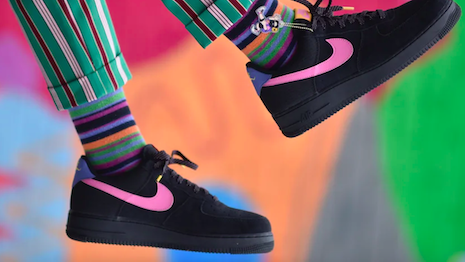
Nothing in the business world stands still, and that includes the business of counterfeiting. Luxury goods and fashion companies must continuously evolve their anti-counterfeiting strategies to keep up.

As the coronavirus outbreak continues to develop, now is the time for manufacturers to develop and execute an effective supply chain response plan to mitigate their risk and prepare for how they will address any interruption to either their operations or those of a critical supplier.
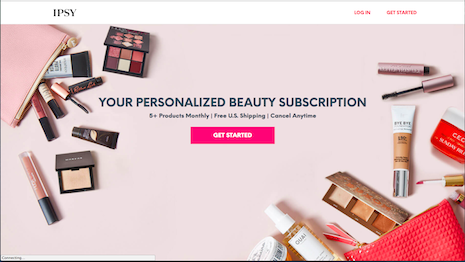
As the beauty industry becomes more inclusive and expansive, upscale beauty brands are using the way they handle customer relationships and interactions as a top differentiator.

Whether or not industry practitioners agree with Google’s plan for cookie blocking, this is the inevitable future of marketing.

Marketers primed for growth in today’s hyper-competitive marketplace are using predictive analytics to gain a deep understanding of the customer base to maximize revenue, efficacy of marketing budgets and, of course, profits.
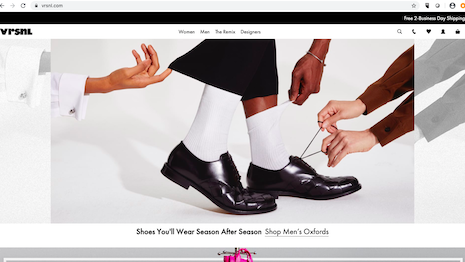
Amazon has been clandestinely operating a luxury retail site called VRSNL since September.

Drawing the attention of potential customers is a far cry from holding it long enough to make a sale.

Fashion is a high-risk business. For luxury retailers, as well as high street players who take their lead from the runway shows, financial success means getting a handle on which designers, collections, trends and “it” pieces will sell best.
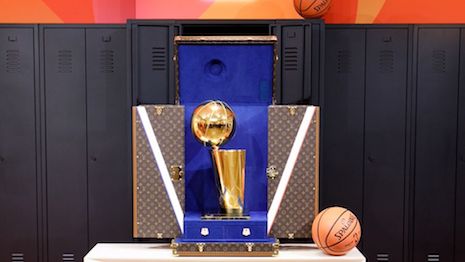
As much as luxury marketers must remain culturally relevant, and streetwear and team sports including the NBA are important cultural touch points for the younger generation that Louis Vuitton and other legacy luxury houses must cultivate, this collaboration might be stretching the brand too far.
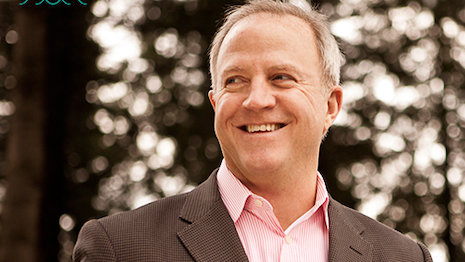
Bear in mind that just 7 percent of Chinese citizens have passports, compared to 40 percent of Americans.

Marketers might hate abiding by new data restrictions, but doing nothing is not an option – as they will soon find out.
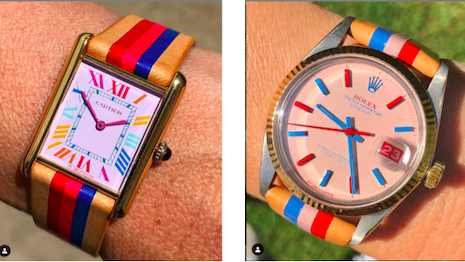
Authentic goods that are altered can, depending on how extensively they are altered, turn into what the law considers counterfeits. That is what Rolex is claiming.

Four technology companies – Apple, Amazon, Alphabet (Google) and Facebook – have a collective market capitalization of more than $3 trillion. That is 15 percent of U.S. GDP.
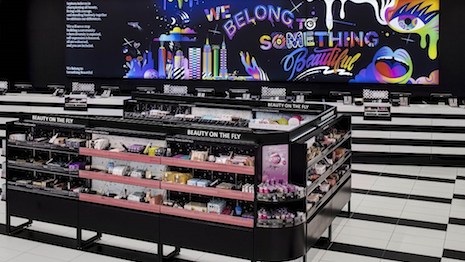
Looking across the retail loyalty landscape, most programs focus on transactional loyalty, doing whatever it takes to make the next sale, which usually hinges on a discount. Not so for Sephora.

Considering the cultural diversity, geographic divide, challenging political and economic environment, brands would do well to take note of the key performance drivers and trends driving luxury consumption in India.
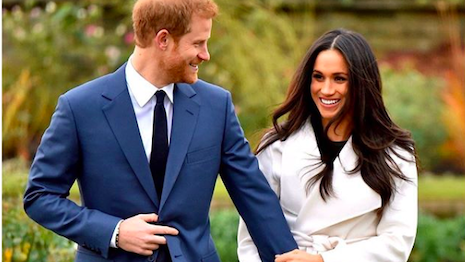
The Duke and Duchess of Sussex are reimagining the role of royalty in a 21st-century millennial way.

Consumers have changed tremendously in the past two decades, and businesses will fail if they cannot genuinely adapt.

Now that millennials – the largest American generation in history some 80 million-strong – are aging into the prime years for buying home furnishings, it should be glory days for furniture and home furnishings stores. But that is decidedly not the case.
The changing role of the store has far-reaching implications for the entire retail organization.