- No categories



Without a means of bridging the divide between QR codes and social media, marketers will not reach their true target audience.

As more opportunities emerge for brands to reach affluent audiences online, the choices of where and what to buy can become overwhelming: mobile, social, niche networks and a thousand ad units from which to choose, such as text and rich media.
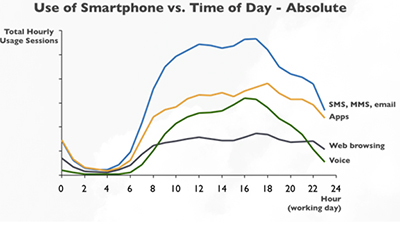
Along with other best practice in text message marketing, one of the fastest ways to upset mobile database subscribers is to send them messages at the wrong time.
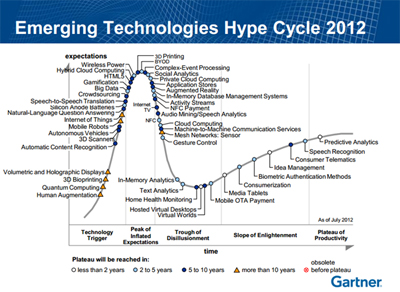
With the continued high demand for mobile applications, marketers, retailers and developers in 2013 will be faced with many challenges and opportunities, mostly associated with new devices or new versions of existing devices.

A new report from research firm IDC predicts that 86 percent of shoppers will access a retailer’s site on their mobile device while shopping in a retail store.

One of the latest hot topics when it comes to consumer behavior is how we have started to use our mobile phones for commerce and, more specifically, as a payment solution.

It is sink or swim in the world of mobile sales, and one misguided strategic decision can leave an organization gasping for air.

It is on pretty good authority that mobile has been touted as Facebook’s next billion-dollar opportunity. Facebook currently has 1 billion users, 600 million of whom access the social network on a mobile device.

Luxury hoteliers are cautiously moving into the mobile application space and the results are widely divergent. They have taken their baby steps but are in an adolescent phase, lacking a mature offering.
This is a land that puts a premium on “being first” – home to the world’s first electric chair execution (Go USA!); the launch of Albert II, the first monkey in space; and the first obesity drug approved for dogs (yes, that is correct).

What advertising law challenges from 2012 will role over to this year that will affect marketers and retailers? A lawyer specializing in advertising and marketing law takes an indepth look.

The rise in smartphone and tablet usage has established mobile as a key channel within the multichannel retailer’s arsenal for customer engagement.

As you assemble the goals for your mobile strategy, be sure to map them back to your digital strategy within a mobile context.
Between Twitter and Facebook, consumers are increasingly engaging with high-end hoteliers, posting observations from everything to the amount of time required for check-in to quality of poolside towels.

Supplied with a selection of smartphones, tablets and a variety of other affordable devices, mobile Internet users are rapidly forming a mass market.
As hotel chains spend funds to open new channels for social and mobile, their Web sites are often left to languish and now have become brochureware with a reservation engine slapped on to the menu.

Within the universe of symbolic brands, Icon Brands become the carriers of universal values and stories that they express through a range of products characterized by instantly recognizable and iconic codes.
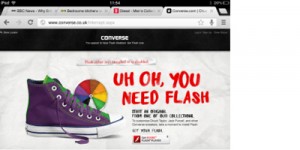
Data points to tablets cannibalizing PC sales and marketers are starting to take note. This is why tablet optimization will be a hot topic of conversation in the marketing industry this year.

Luxury marketers continue to use mail because it works and because it is easier to convey luxury in tactile form.

Digital publishers reliant on online advertising revenue last year were suddenly dealt with a brand new form of supply to figure out and monetize immediately, or face a slow death at the expense of mobile’s rapid growth.

Mobile advertising is at an adolescent stage in its development. Mature enough for its effectiveness to be incontrovertible, yet young enough that big practical kinks remain.